
We are a cross-disciplinary research team investigating the aquatic turn.
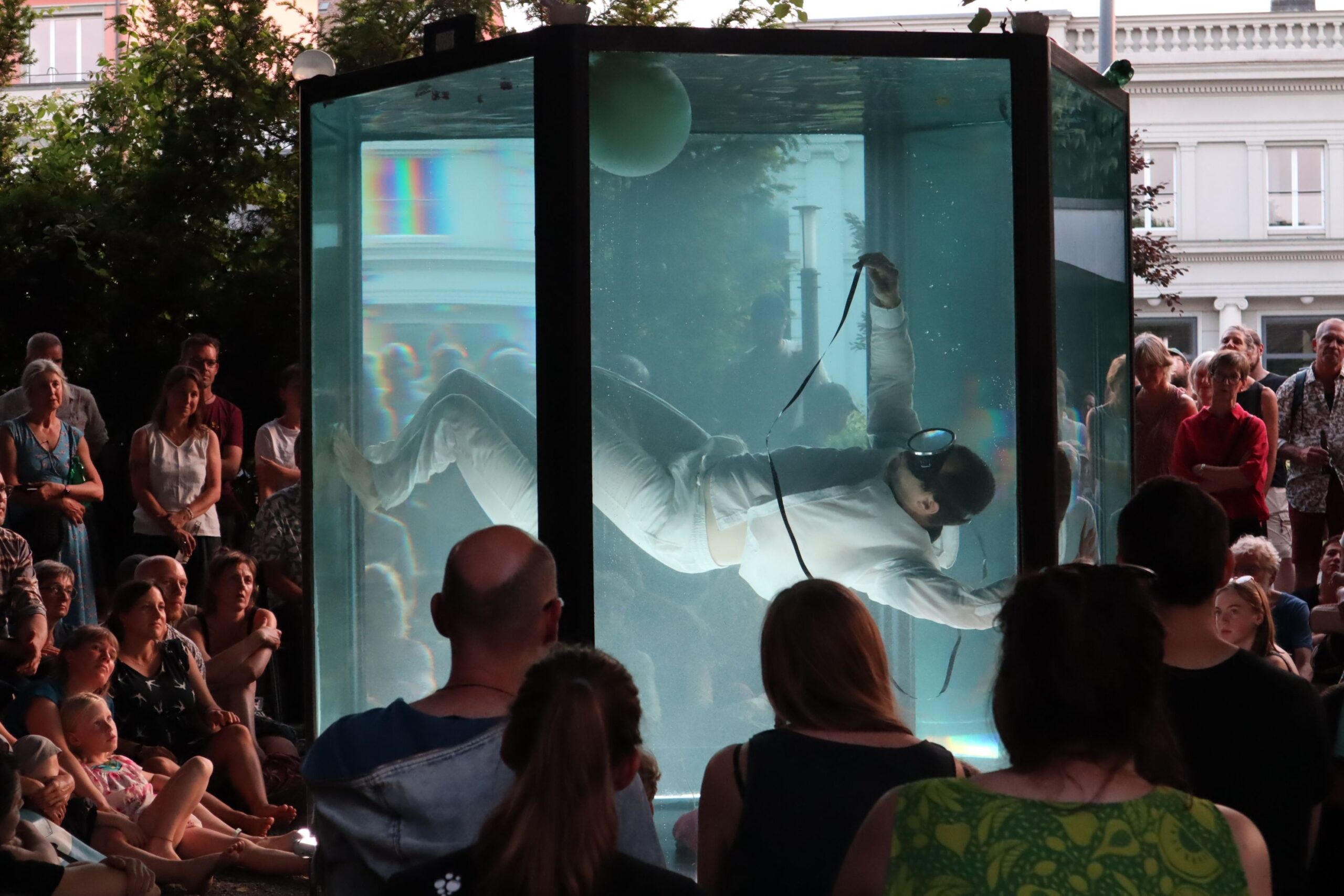
The HydroArts project researches performative productions that invite water as a live element into the artistic process as part of a creative partnership. By limiting the study to artistic engagements that attribute an active role to water, creating works of art and performance that submerge, converge, or immerse the artwork or the spectator, the project examines how the materiality of water exerts an active and dramaturgical force in the process of sense construction.
Objectives
HydroArts focuses on the recent rise in performative instances of artistic productions that acknowledge water as a creative partner (underwater sculptures, aquatic dance, site-specific theater, multi-sensory installations, etc). These practices are then cross analyzed with conceptual theories that use the terminology of fluidity and other aquatic properties, examining the simultaneous transfers of theory and artistic practice across Francophone and Anglophone cultures. Composed of an online research platform, a webinar series, creative digital productions, a pedagogical resource platform, water art festivals and publications, the project is designed to bring together academics and artists from multiple fields to engage in creative experiments around the performativity of water. The project’s goal is to provide an Arts & Performance branch to the field of Blue Humanities.
Build a corpus
Showcase, categorize & analyze representative samples of contemporary water art.
Cross-cultural analysis
Explore how artistic aquatic practices correspond to conceptual theories that rely on aquatic properties.
Methodology
Geographically, selected works will be limited to Francophone and Anglophone regions, while the time frame spans the past thirty years. This time frame coincides with the aquatic turn in the arts, the moment when the ecological art movement beginning in the 1960s, commonly referred to as “Land Art,” intersects with the popularization of the term “Anthropocene” in 2000 and the ensuing rupture with the assumption that nature can provide a stable background for artistic creation.
Hypotheses
Aquatic turn
There has been a steady increase in contemporary artistic engagements with water as a live element.
Evolving entwinement
These works embody changing conceptions of the interrelatedness of meaning and matter pervasive in indigenous, environmental, and post-human philosophies.
Eco-ethical aesthetics
These works provide case studies for exploring how water can serve as an artistic partner and conceptual model in cultivating the aesthetics of a possible ecological ethics.
Themes
Submersion
Works plunged into an aquatic environment, constant interplay between the work and water pressure, currents, sea life, scarcity of air and gravity, such as:
- Underwater sculptures
- Underwater performances (including dance, musical concerts, choreographies)
- Staging of sea creatures in water
Convergence
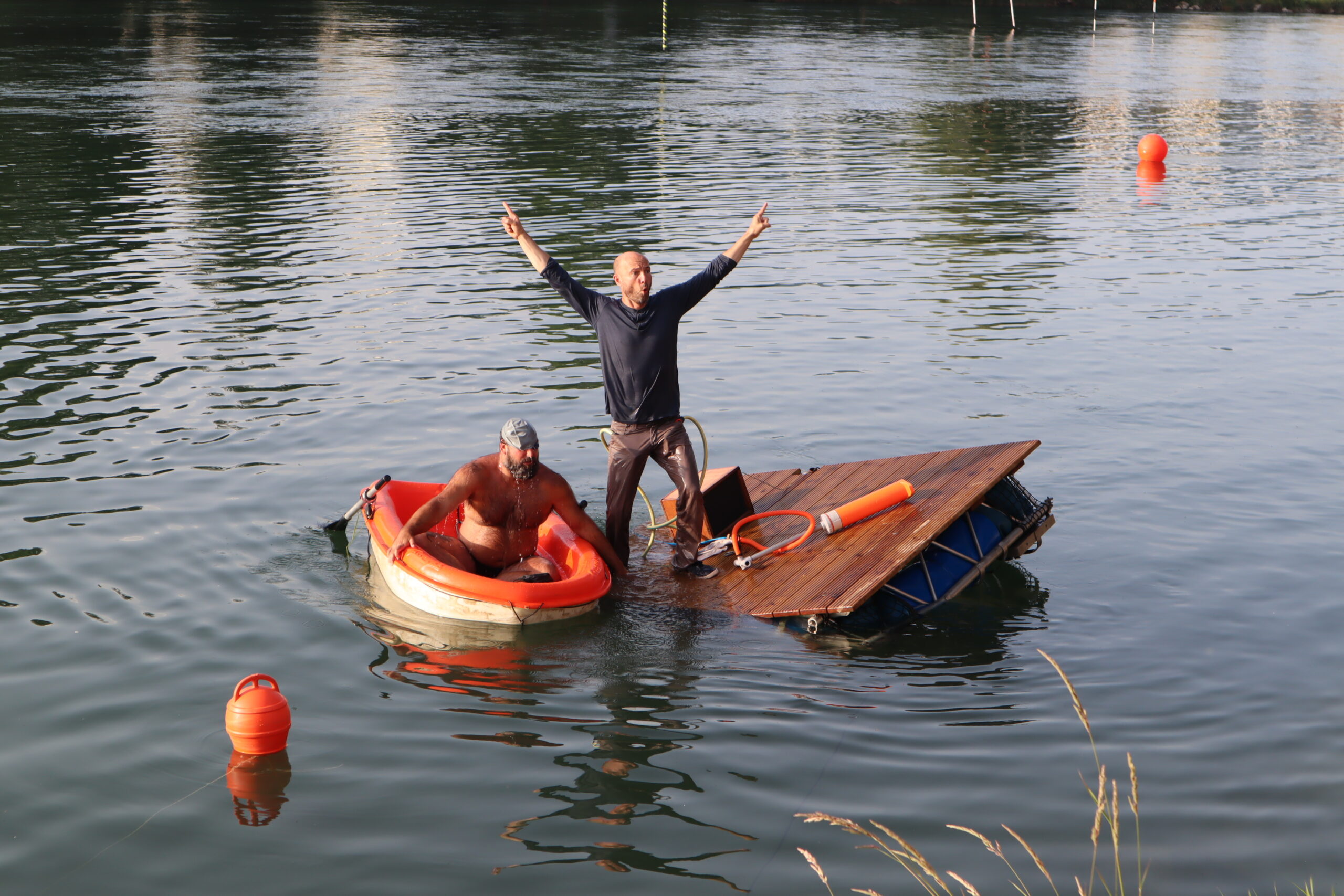
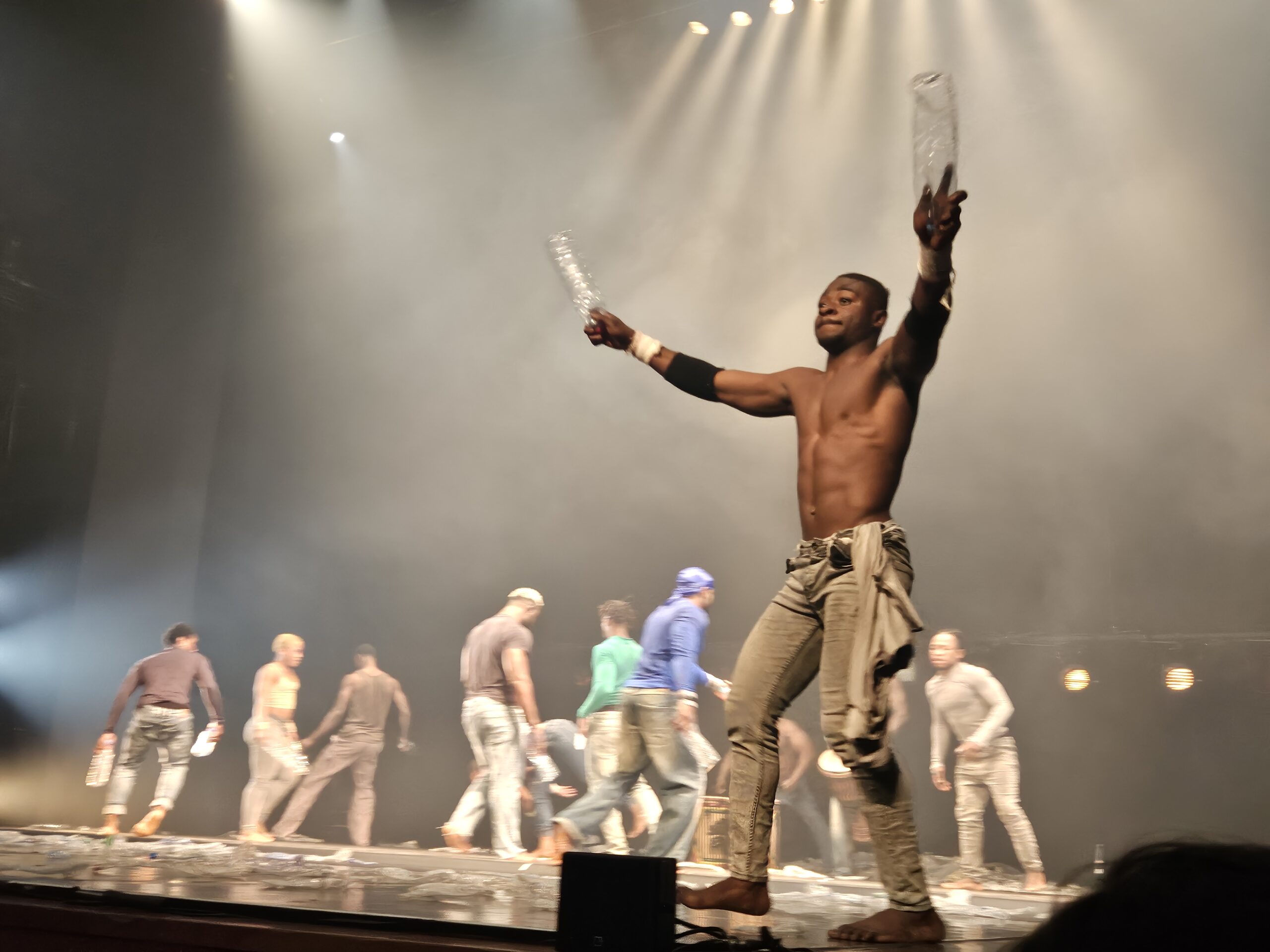
Works that either bring water into the performance space or take the performance space next to or onto waterways, such as:
- Water on stages or in performances spaces, including its atmospheric forms (rain, fog, steam)
- Performances near or on water
- Sports as spectacle
Immersion
Works that seek to plunge the spectator into an immersive aquatic environment, often with an emphasis on live participation, such as:
- Digital or virtual performances recreating water
- Immersive installations and performances engaging with water
- Participative performances involving water