Metteuse en scène : Jinyeob Lee
Création : Elephants Laugh
Muljil, by Jinyeob Lee, uses water as a metaphor for both social and physical isolation. Four performers each inhabit a separate water tank – at once a bubble, an island, and a fragile ecosystem of their own. A pregnant woman, a factory worker, a queer person (represented through female-to-male cross-dressing), and a fashion-conscious young woman embody different forms of pressure in contemporary South Korean society: the imperative of reproduction, the demands of relentless labour, the policing of gender and sexuality, and the violence of media-driven beauty standards. Water becomes a screen upon which social tensions are made visible, rendering isolation tangible while allowing the audience to observe it from the outside.
Lee’s ecofeminist approach to water is informed by the practice of the haenyeo, the women divers of Jeju Island who, for centuries, have dived without breathing equipment to harvest shellfish and seaweed, risking their lives to sustain their families and communities. Their relationship with the sea suggests an ethics of care, endurance, and collective survival that quietly underpins the performance. The artist’s experience working at the Ansan Global Youth Support Center, where she encountered the stories of migrant communities, also shapes the piece. Rather than representing migrants directly, Muljil evokes experiences of exclusion and displacement through recurring images of crossing and hospitality, such as towels handed to spectators as if welcoming them across a threshold. Water thus becomes not only an element of separation but also a medium through which different forms of precarity—ecological, social, and political—are revealed.
The most memorable sequence occurs when the performers invite audience members to enter the water tanks. Presented during yet another intense heatwave at the Avignon Festival, the invitation was met with remarkable enthusiasm: many spectators were visibly delighted by the opportunity to step into the water. Yet the gesture extends far beyond relief from the heat. The water tanks are narrow, forcing two strangers to share an unexpectedly intimate space. Standing together in shallow water, they can only perform the simplest of actions: looking at one another, gently embracing, swaying, or moving in unison. Unlike the trained performers, who repeatedly dive beneath the surface and manipulate objects in carefully choreographed sequences, the non-professional participants execute ordinary gestures. Their very simplicity makes them profoundly moving. As more spectators enter the water tanks, those who began the performance radically separated from one another gradually form pairs with complete strangers. Water, initially presented as a medium of enclosure and loneliness, is transformed into a space of encounter and trust. In this sense, Muljil imagines a radical politics of intimacy: it creates the conditions for fragile, embodied forms of togetherness between people who, only moments earlier, had never met. – K. Mamadnazarbekova
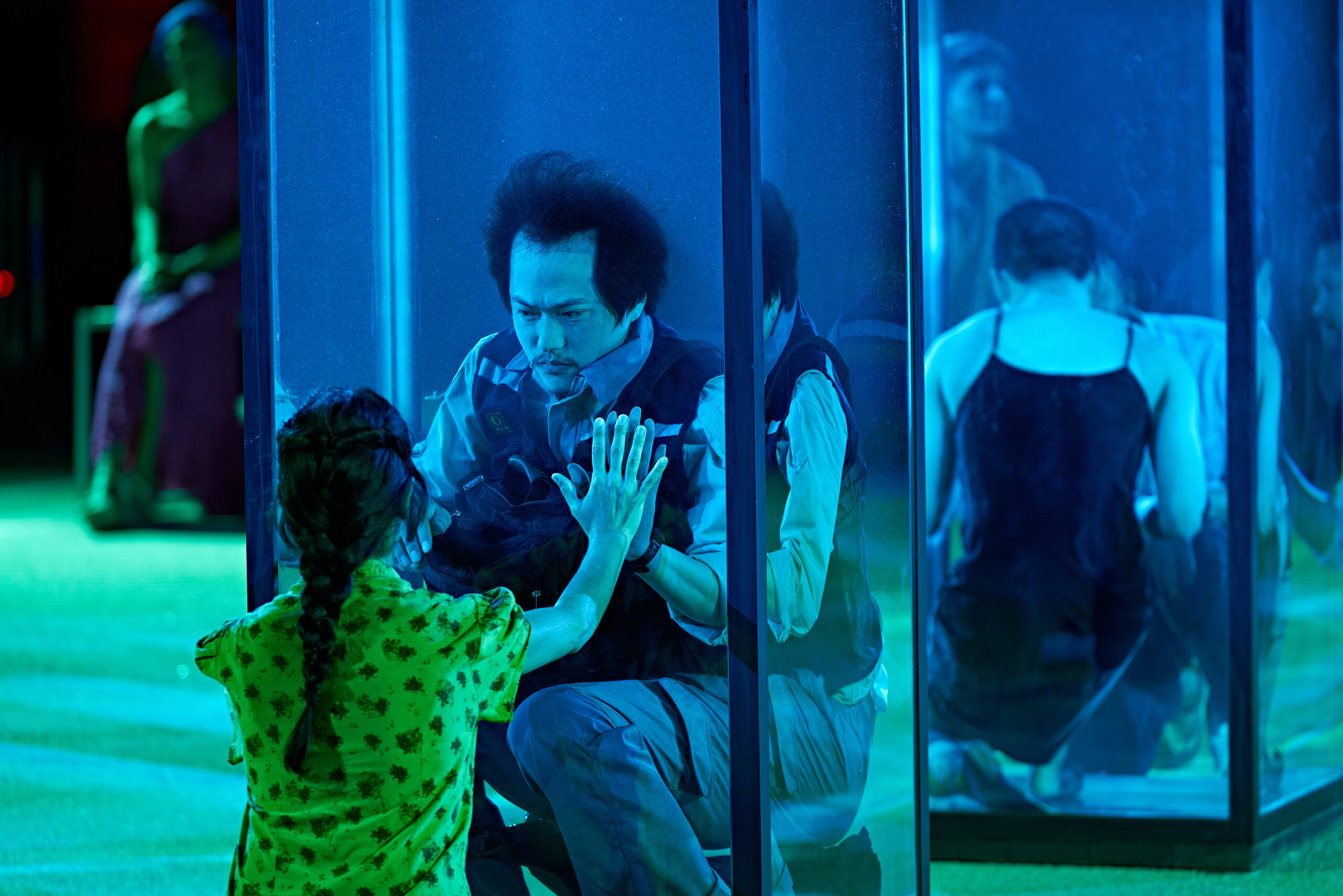
Photo: Marcos Gpunto, courtesy of Elephants Laugh
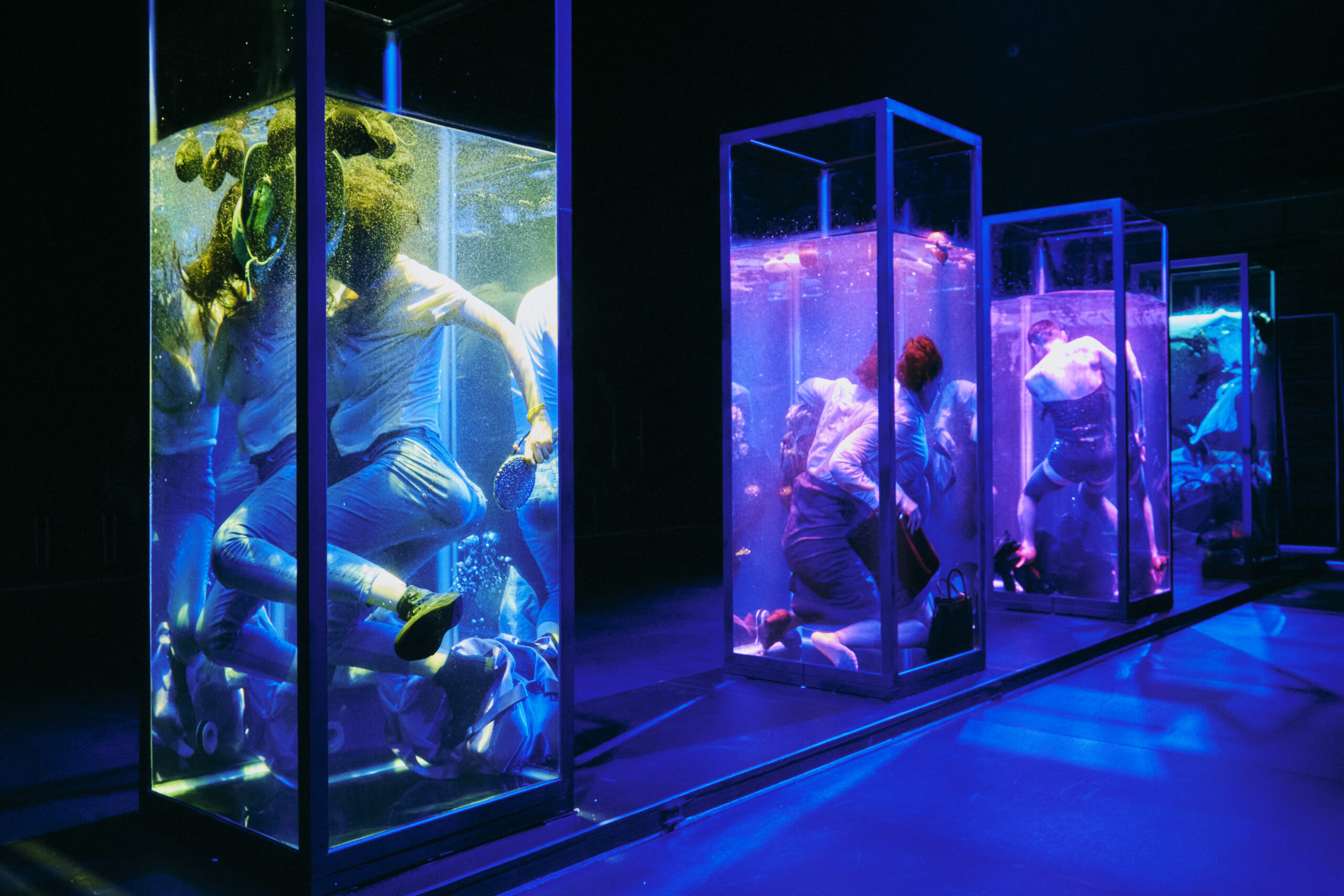
Photo: Shinjoong Kim, courtesy of Elephants Laugh
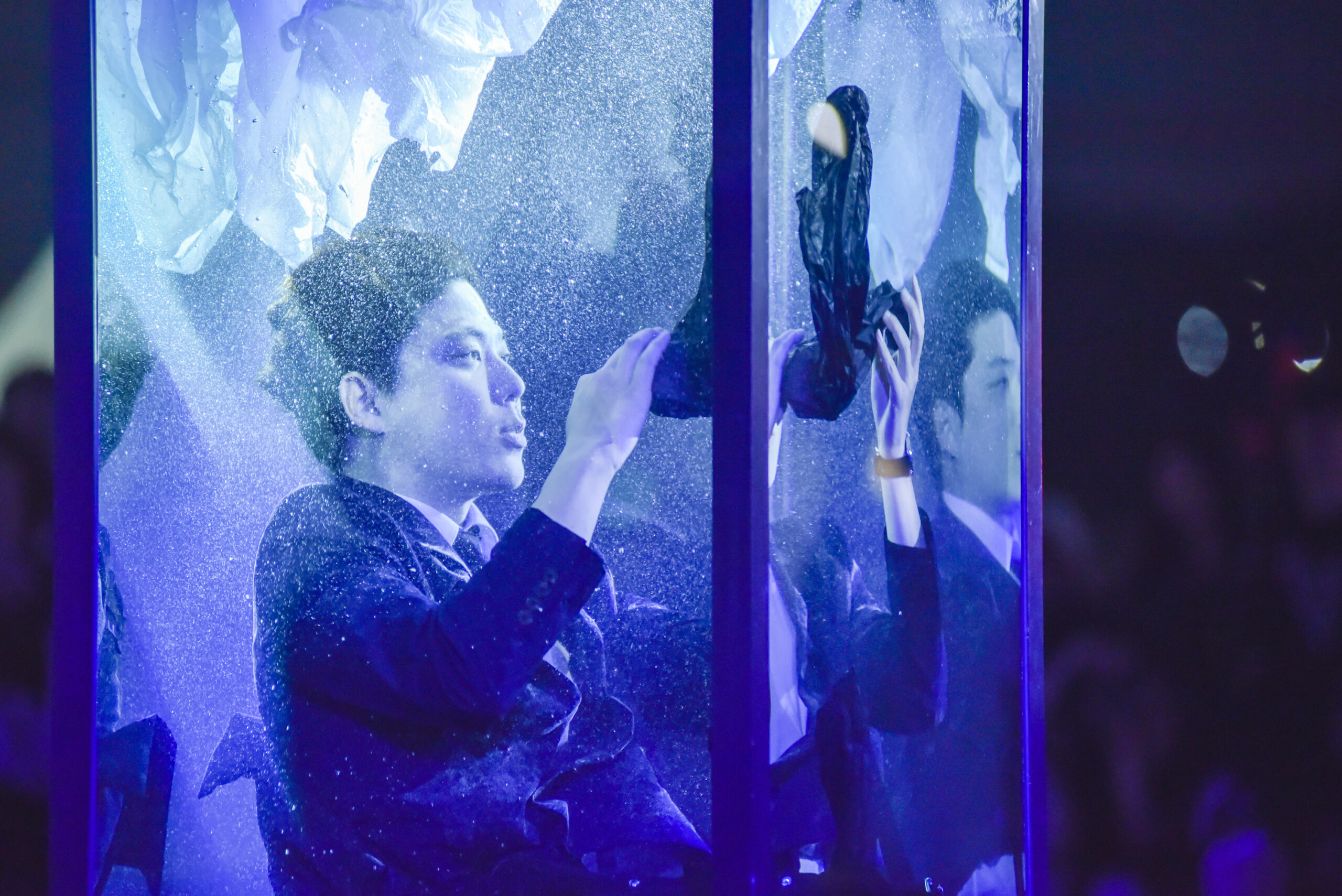
Photo: Jang Seok-hyun, courtesy of Elephants Laugh
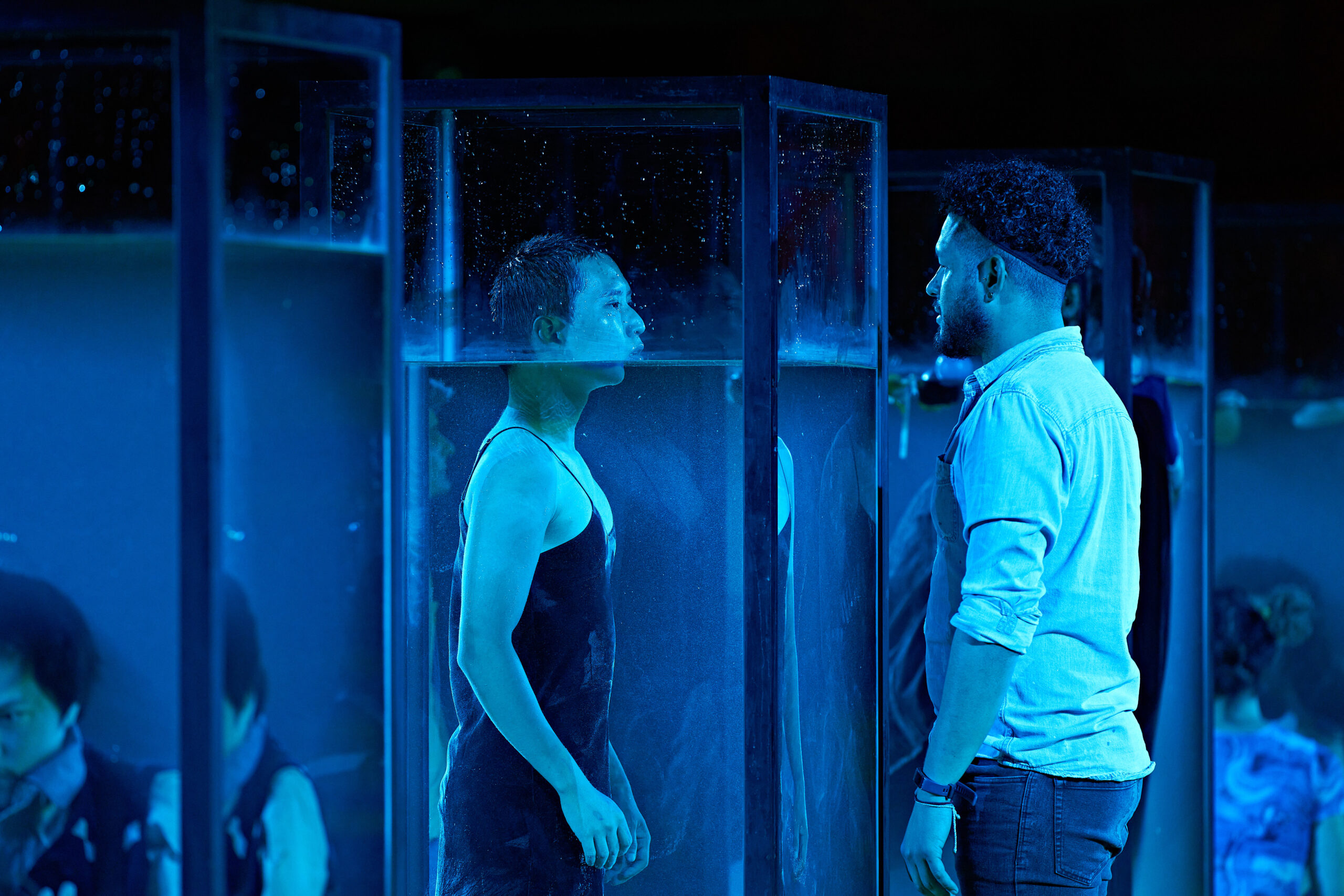
Photo: Marcos Gpunto, courtesy of Elephants Laugh
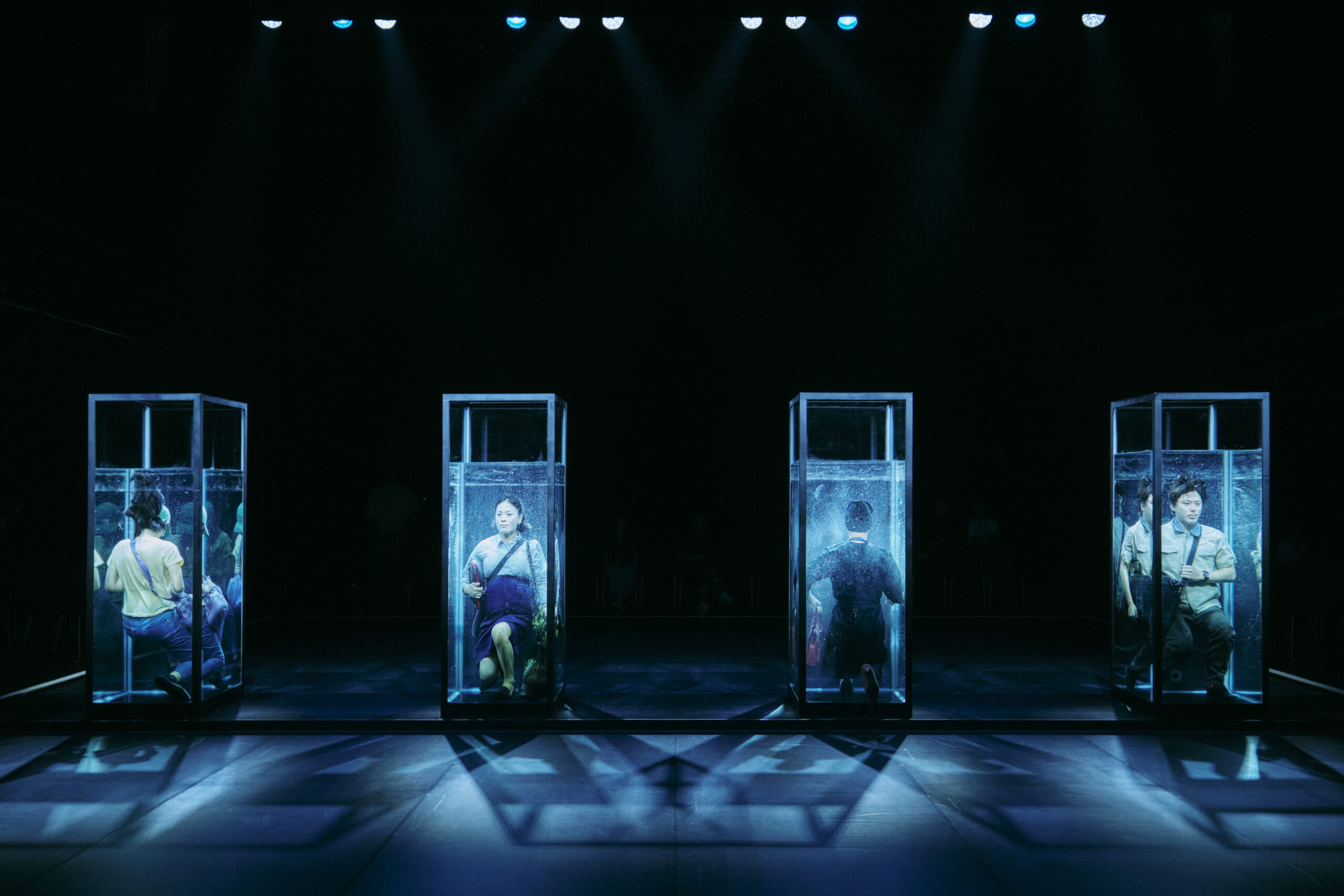
Photo: Shinjoong Kim, courtesy of Elephants Laugh
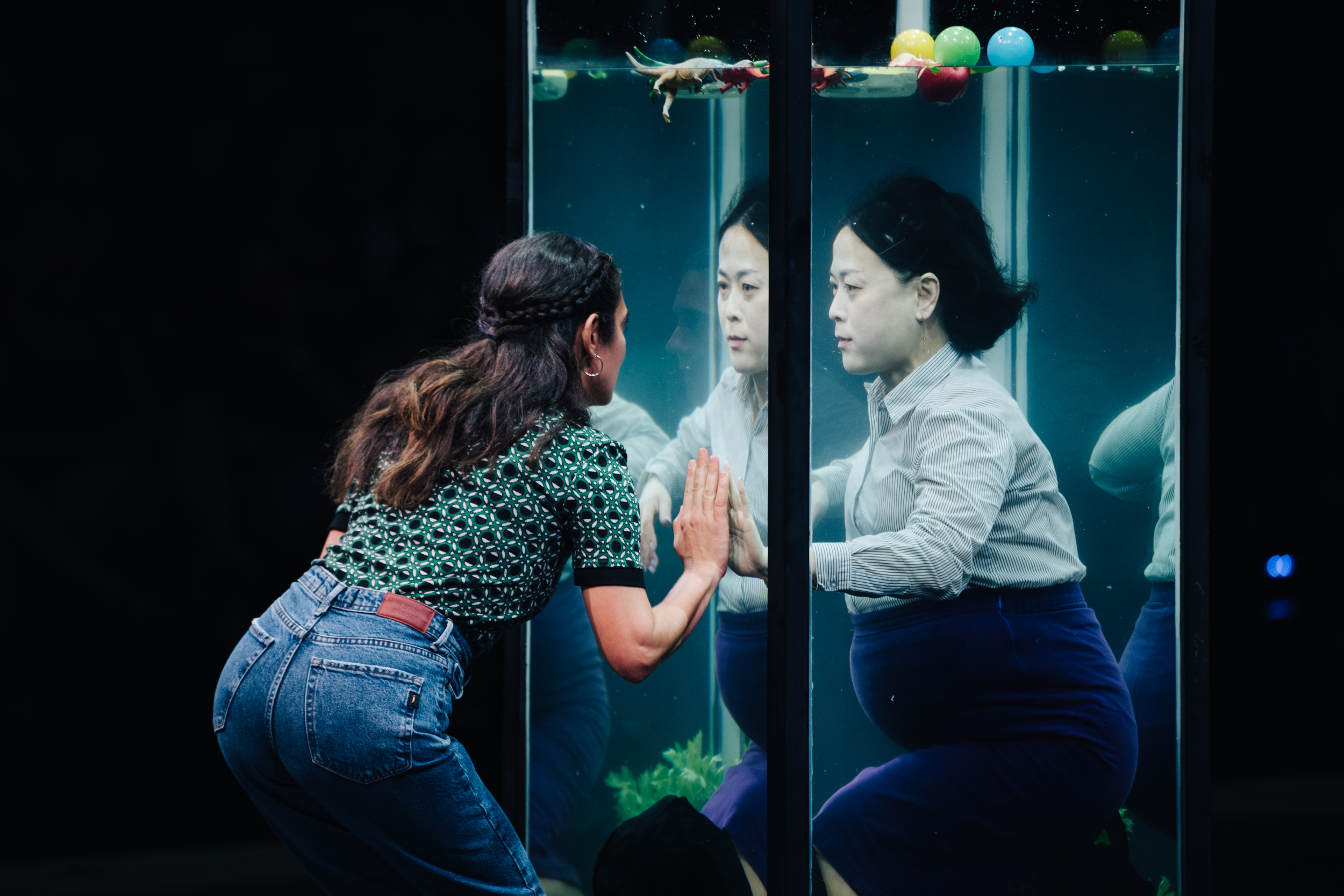
Photo: Festival Grec-Alice Brazzit, courtesy of Elephants Laugh
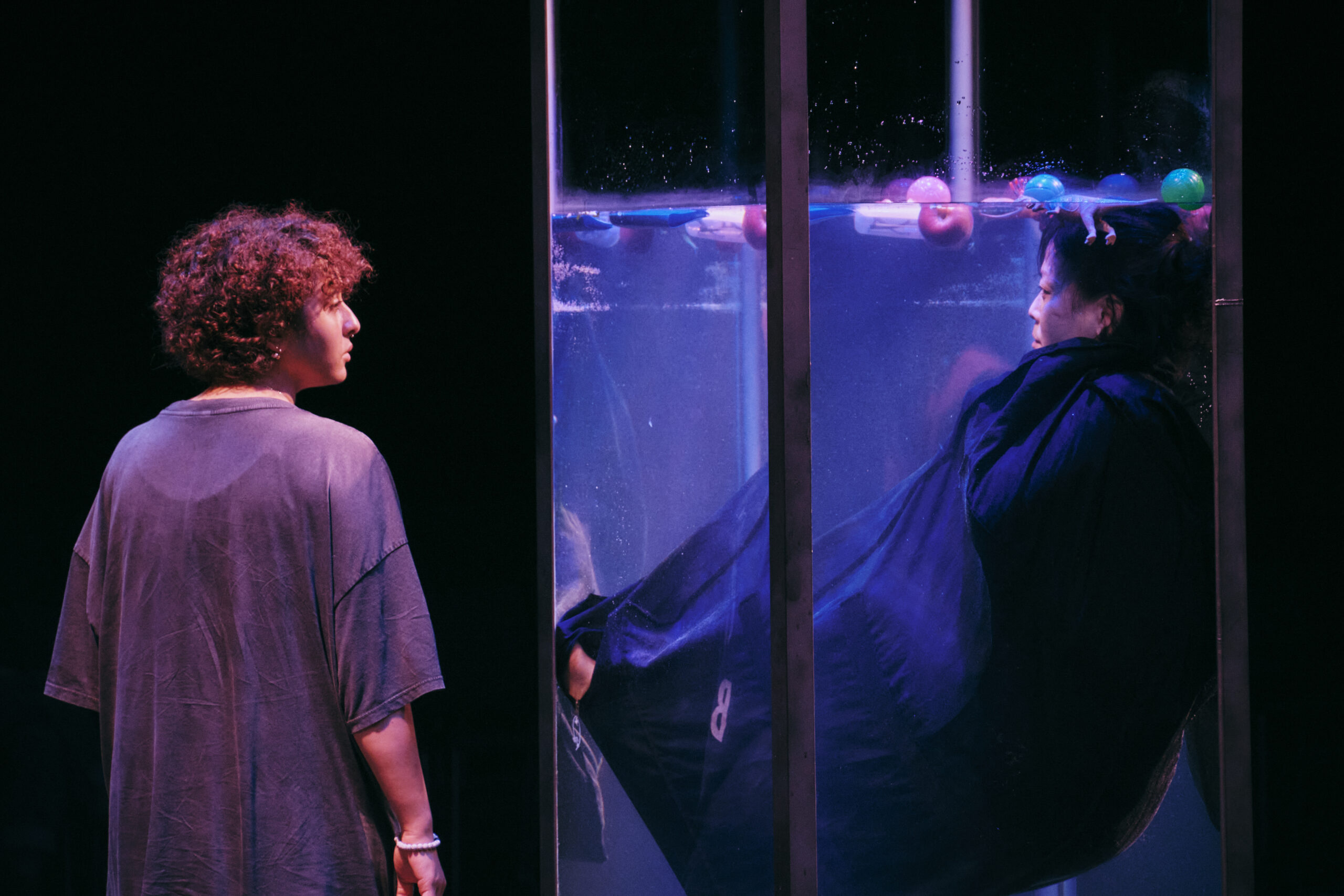
Photo: Shinjoong Kim, courtesy of Elephants Laugh
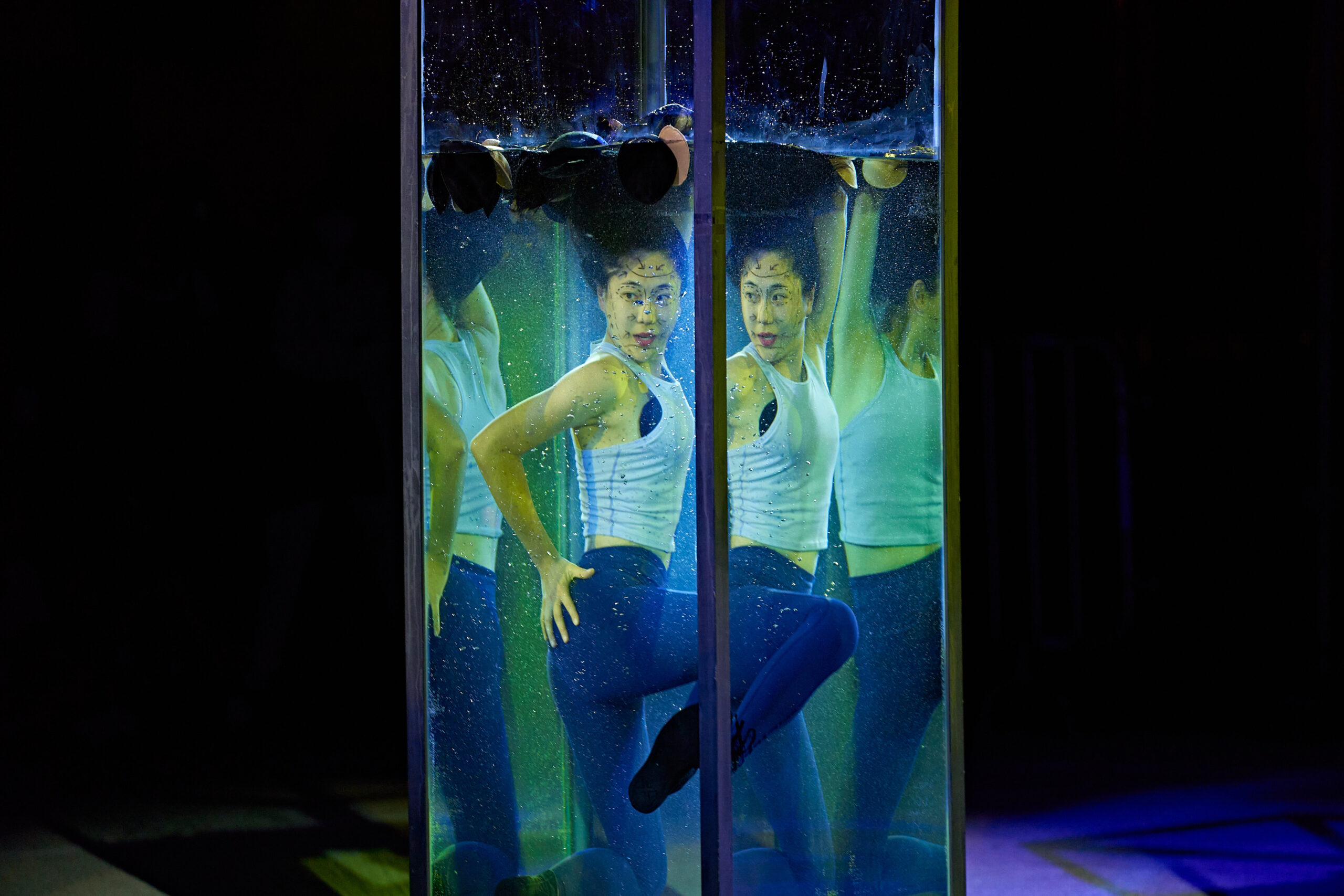
Photo: Marcos Gpunto, courtesy of Elephants Laugh
Photo: Festival Grec-Alice Brazzit, courtesy of Elephants Laugh
Photo: Jang Seok-hyun, courtesy of Elephants Laugh
Photo: Shinjoong Kim, courtesy of Elephants Laugh
Photo: Shinjoong Kim, courtesy of Elephants Laugh
Photo: Marcos Gpunto, courtesy of Elephants Laugh
Photo: Marcos Gpunto, courtesy of Elephants Laugh
Photo: Marcos Gpunto, courtesy of Elephants Laugh
Photo: Shinjoong Kim, courtesy of Elephants Laugh