Production : Bridge Theatre
Metteur en scène : Simon Stone
Le talent de Simon Stone pour revisiter les classiques du théâtre est ici accompagné des spectaculaires décors aquatiques de Lizzie Clachan. Pendant la première moitié de la pièce, le décor est d'un blanc éclatant et ponctué de plaisanteries enjouées, sans le moindre signe de tempête à l'horizon. Cependant, lorsque le public revient après l'entracte, le ciel s'ouvre et inonde la scène, désormais teintée de noir, puis celle-ci laisse place aux profondeurs aquatiques. Sur une scène sans murs, avec des sièges pour le public disposés tout autour, la pluie, puis la piscine font office de multiples quatrièmes murs, permettant aux personnages de rester inconscients des scènes qui se déroulent à quelques mètres à peine, sur la même scène circulaire. Sur une bande sonore jouant une interprétation mélancolique de "Let Me Drown," les personnages sont littéralement emportés par leur chagrin et leurs aspirations, tandis que les questions du temps et de l'âge glissent au-dessus et en dessous de la surface. L'eau crée un portail matériel entre deux époques, celle d'Ibsen et la nôtre, révélant à quel point les perspectives opposées peuvent être fluides, violentes et pourtant fragiles : l'infini invisible qui sépare les actes et les intentions, la contrainte et le consentement. Dans la version de Stone, la mer qui, chez Ibsen, revendiquait la protagoniste féminine, engloutit désormais le personnage masculin principal qui disparaît sous la surface, suivi par l'ensemble du théâtre qui plonge soudainement dans l'obscurité et le silence complets. Après un moment inconfortable, durant lequel les spectateurs commencent à penser que la pièce est terminée, un projecteur éclaire l'eau, tandis qu'Edward refait surface en poussant un cri puissant. Il est propulsé avec force hors de l'eau, dans une seconde majestueuse, puis les lumières s'éteignent à nouveau, sous un tonnerre d'applaudissements immédiats. – A. Street
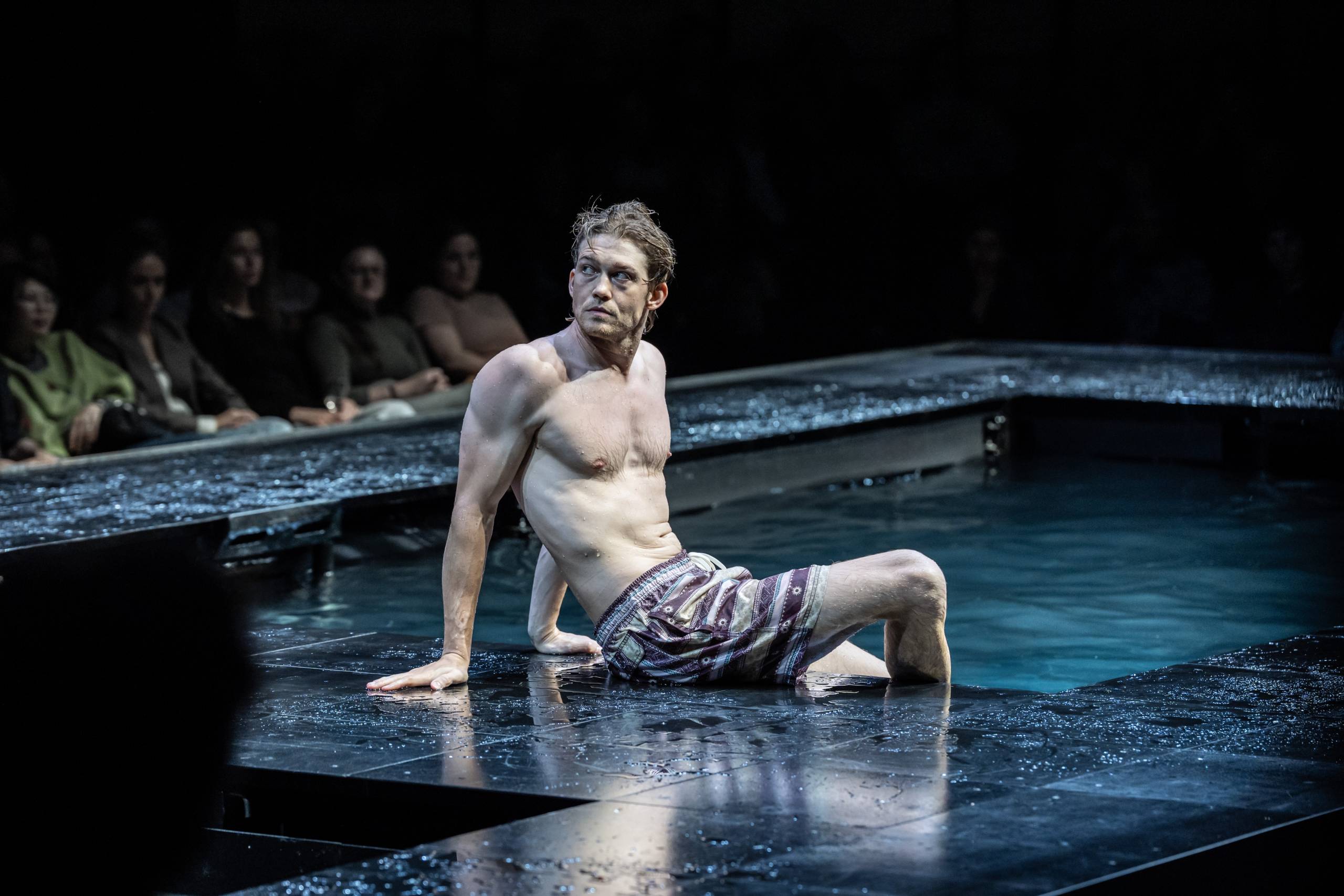
Photo : Johan Persson pour le Bridge Theatre
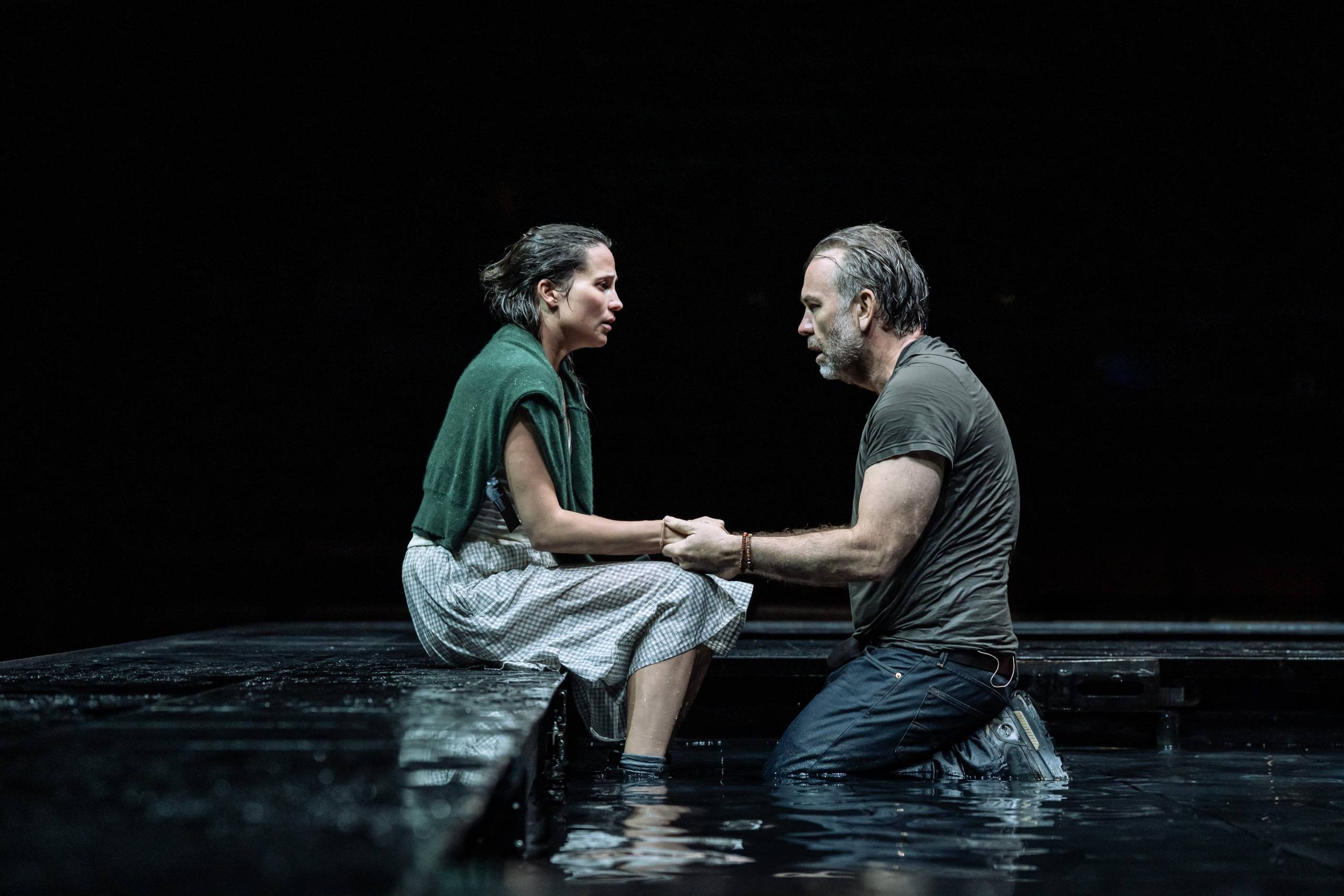
Photo : Johan Persson pour le Bridge Theatre
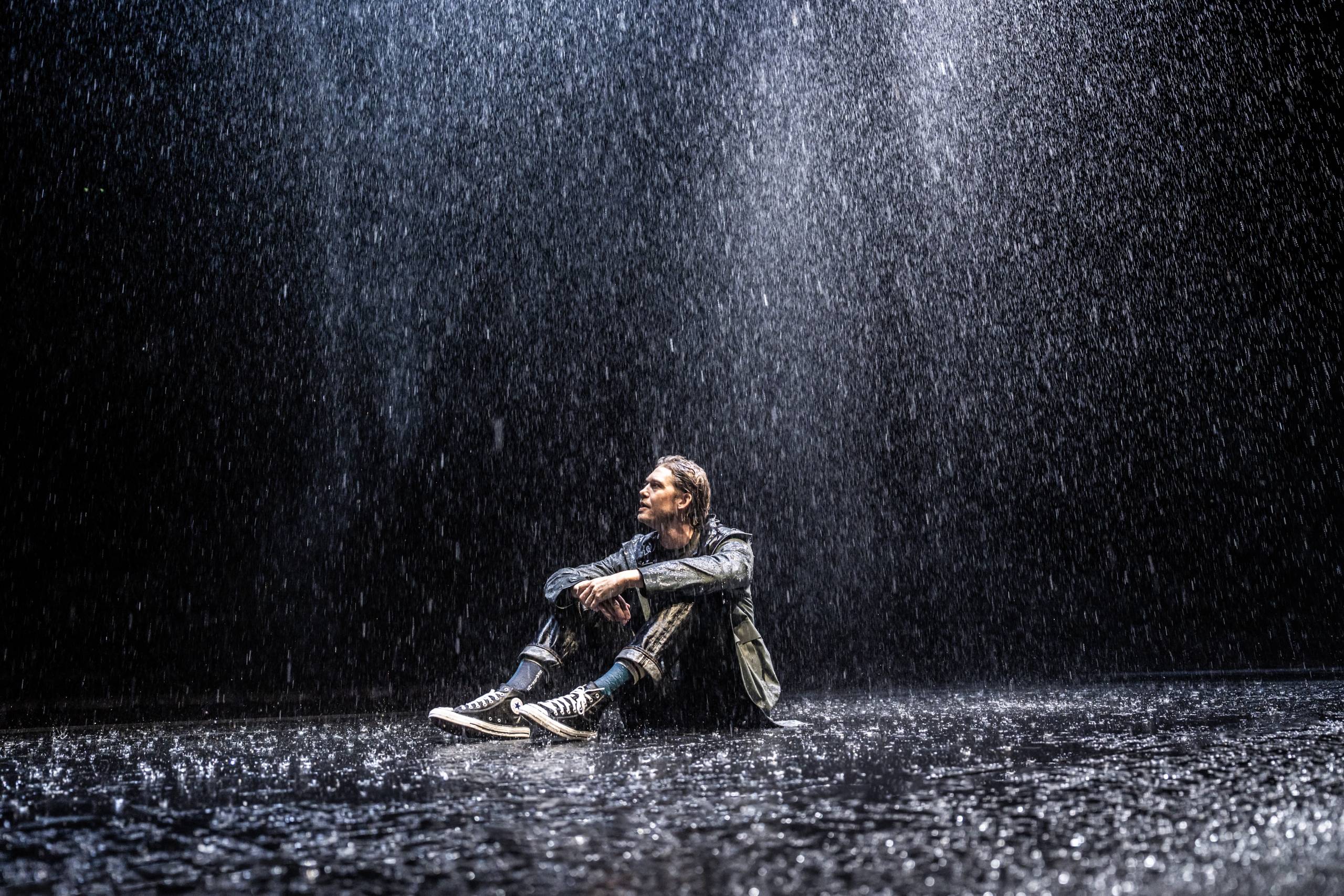
Photo : Johan Persson pour le Bridge Theatre

Photo : Johan Persson pour le Bridge Theatre
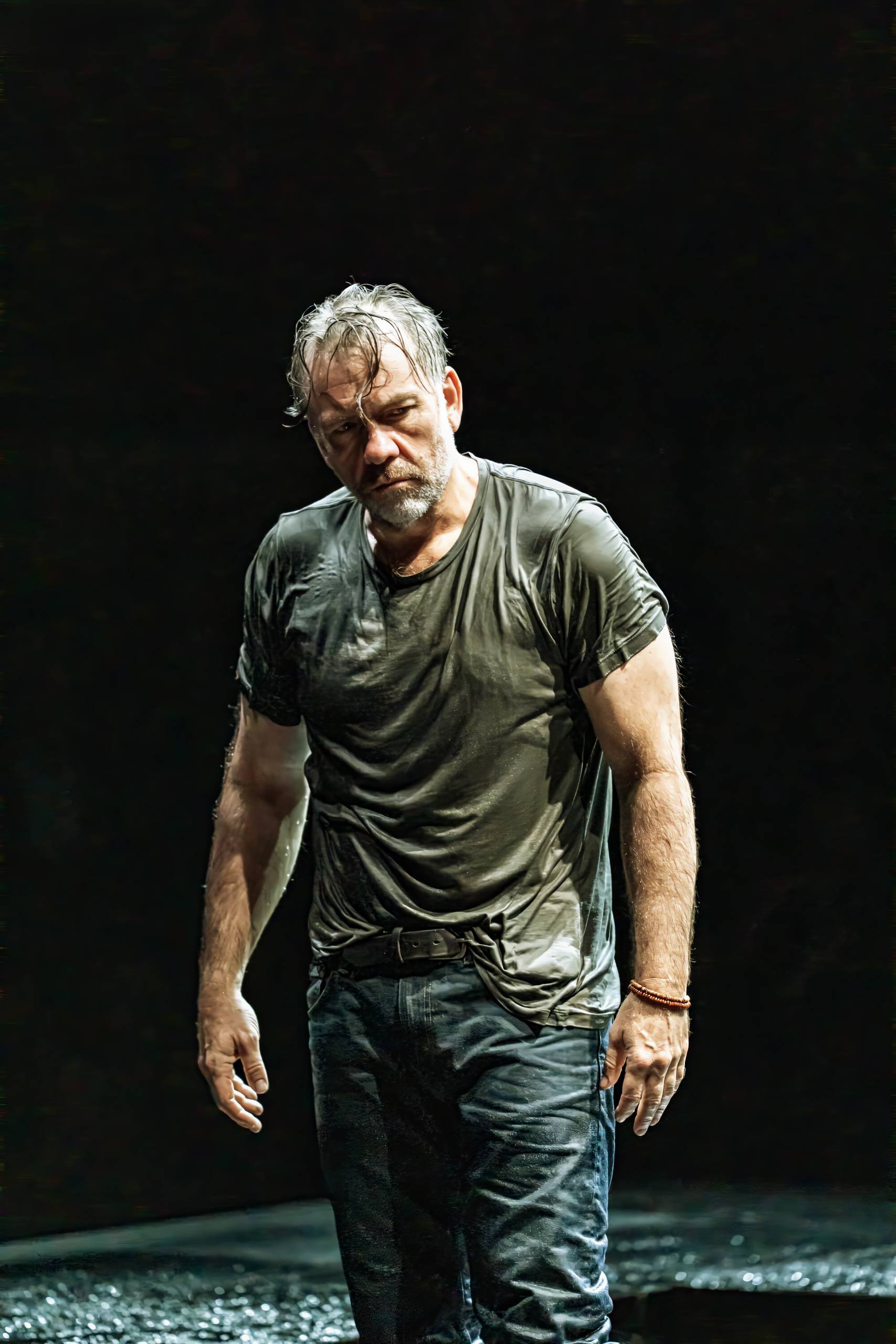
Photo : Johan Persson pour le Bridge Theatre
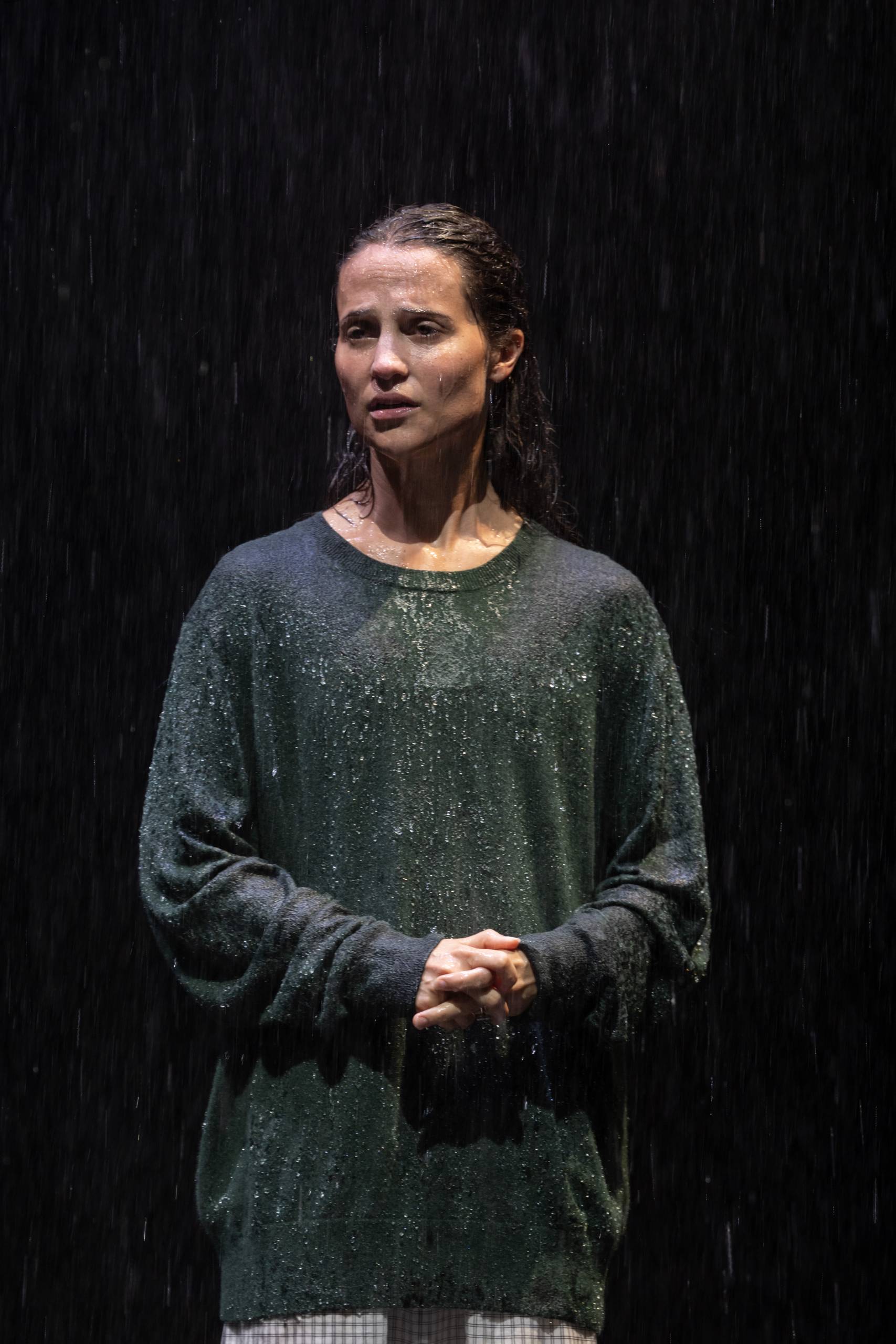
Photo : Johan Persson pour le Bridge Theatre
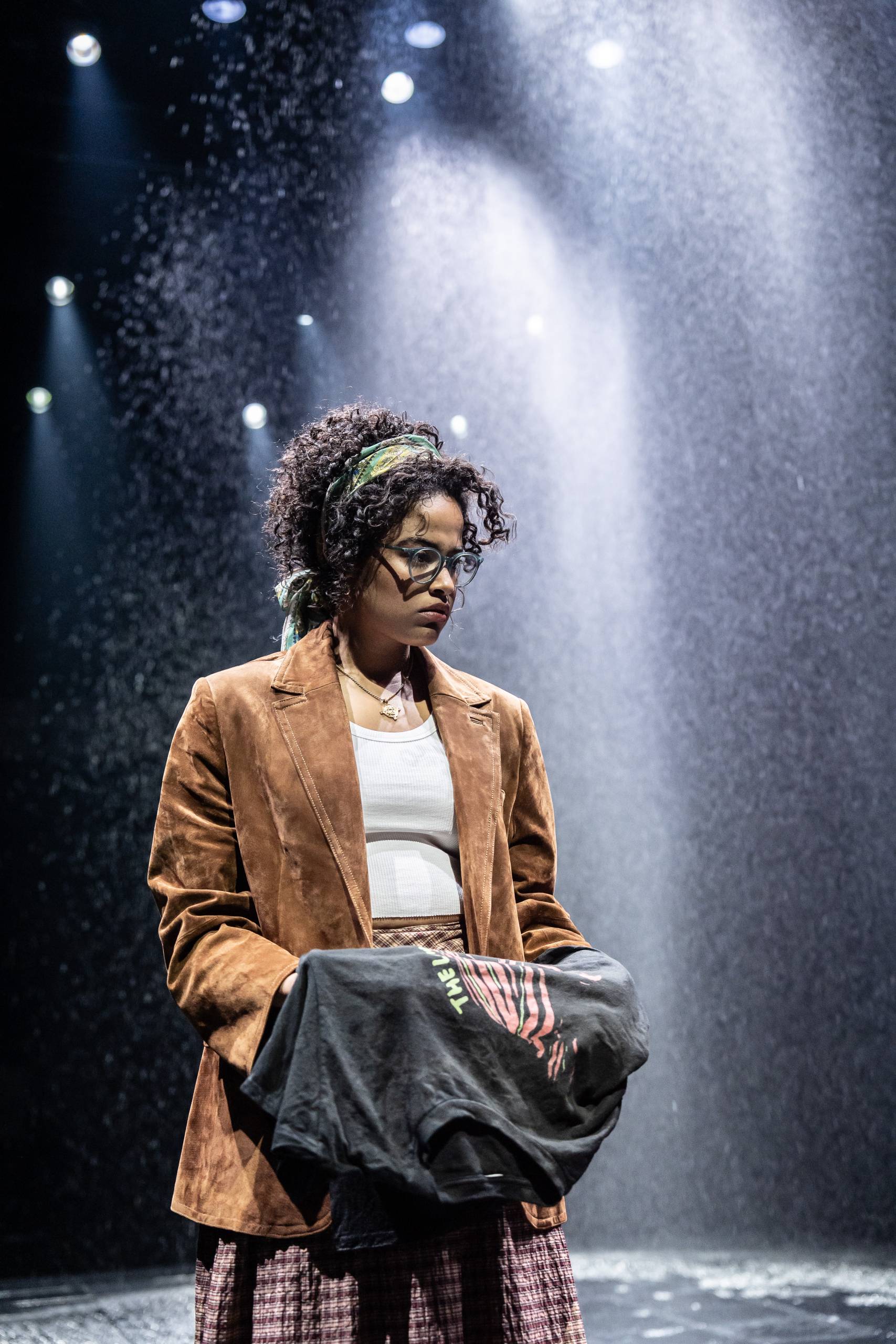
Photo : Johan Persson pour le Bridge Theatre
Photo : Johan Persson pour le Bridge Theatre
Photo : Johan Persson pour le Bridge Theatre
Photo : Johan Persson pour le Bridge Theatre
Photo : Johan Persson pour le Bridge Theatre
Photo : Johan Persson pour le Bridge Theatre
Photo : Johan Persson pour le Bridge Theatre
Photo : Johan Persson pour le Bridge Theatre
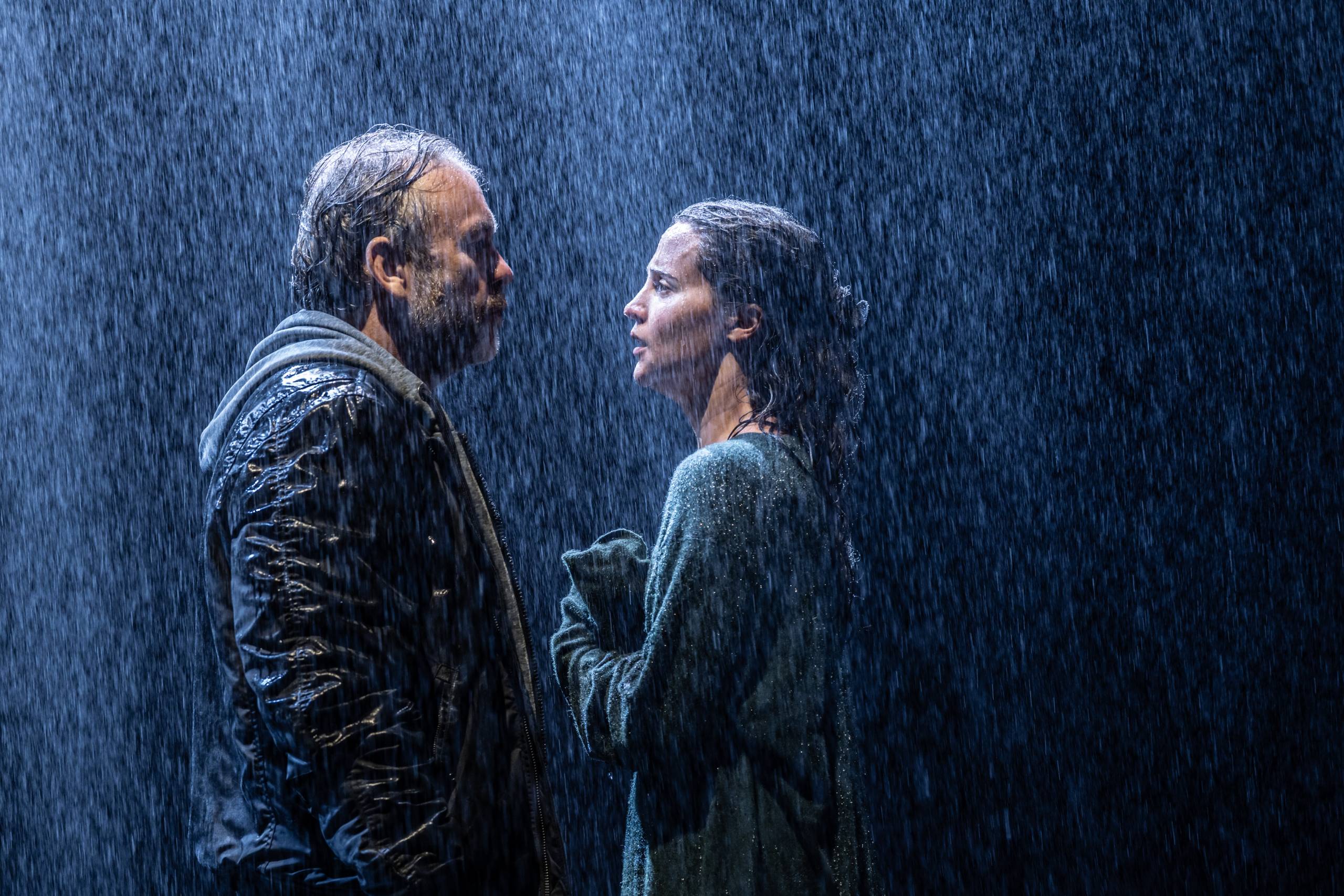
Photo : Johan Persson pour le Bridge Theatre