Who owns the water?
Artiste : Vibha Galhotra
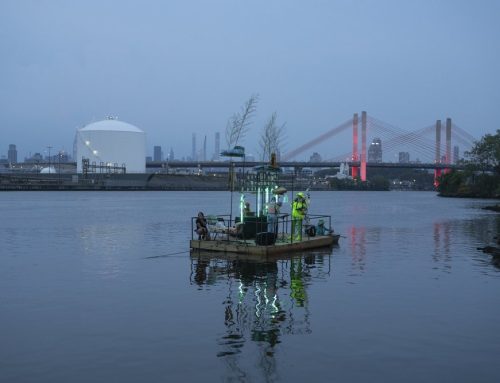
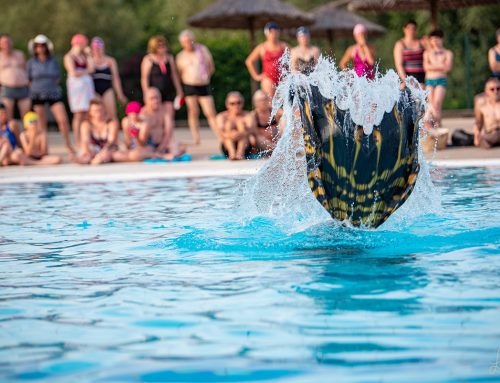
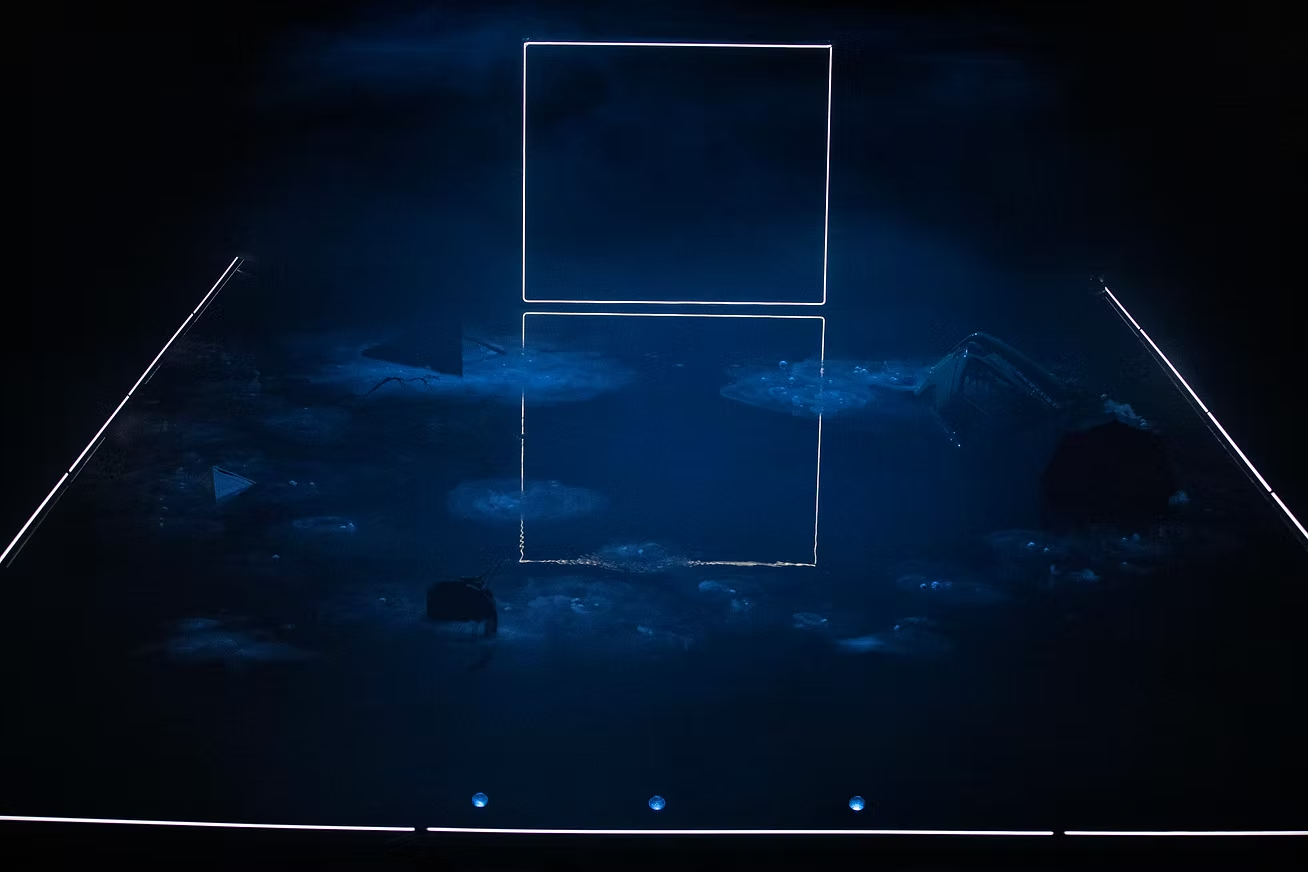
Who owns the water? is an ongoing project by multidisciplinary artist Vibha Galhotra. In its first iteration, the provocative question was written on the sacred – and devastatingly polluted – Yamuna River in Delhi, in 2017. Performative participatory dinners followed in New York in 2019 and in Jerusalem in 2022, where this essential question was creatively posed through food. In 2025, an installation on the Blaauwbankspruit River in Gauteng, South Africa, again saw the question floated on water, this time printed on fabric. The project also had an important precursor in the film Manthan, created in 2015, and also centred on the Yamuna River, drawing on a Hindu legend in which gods and demons together churned the ocean to make the elixir of eternal life, amrita.
The Yamuna River is a vital source of drinking water, a site for rituals, offerings, and pilgrimages, and an essential water source for industry and agriculture. It is also a sewer and a drain for industrial effluent. The Blaauwbankspruit River is smaller, but similarly vital to the industries in the area, and similarly degraded by them. It is heavily contaminated with industrial toxins and urban wastewater.
Who owns the water? evokes the fragility and complexity of the relationship between humans and the waterways on which we depend. We can destroy them even as we venerate them. And of course, the populations that suffer from water scarcity and water degradation are not the populations that profit from exploiting the water. The project draws attention to power imbalances, the importance of preserving our limited resources, and the various forms of human control imposed on waterways. It also seeks to give a voice to the rivers – those that are featured, and the thousands more like them around the world.
The 2017 and 2025 installations directly involve rivers in the artworks, to which the presence and movement of the water are fundamental. Writing on something is a common way of claiming ownership, which adds an extra layer of intrigue to writing this question on a river. The artist doesn’t own the water; the people who revere it don’t own it; the individuals and the companies that pollute it don’t own it. Does it belong to the human communities and multispecies ecosystems that depend on it? Apparently not, as they can do nothing to defend or retain it. Forced to reflect on the question, we can only conclude that a river has nothing to do with the concept of ownership. But the problem remains. Who should have access to water? Who should be held accountable? Who can save the water, and by saving it, save us all?
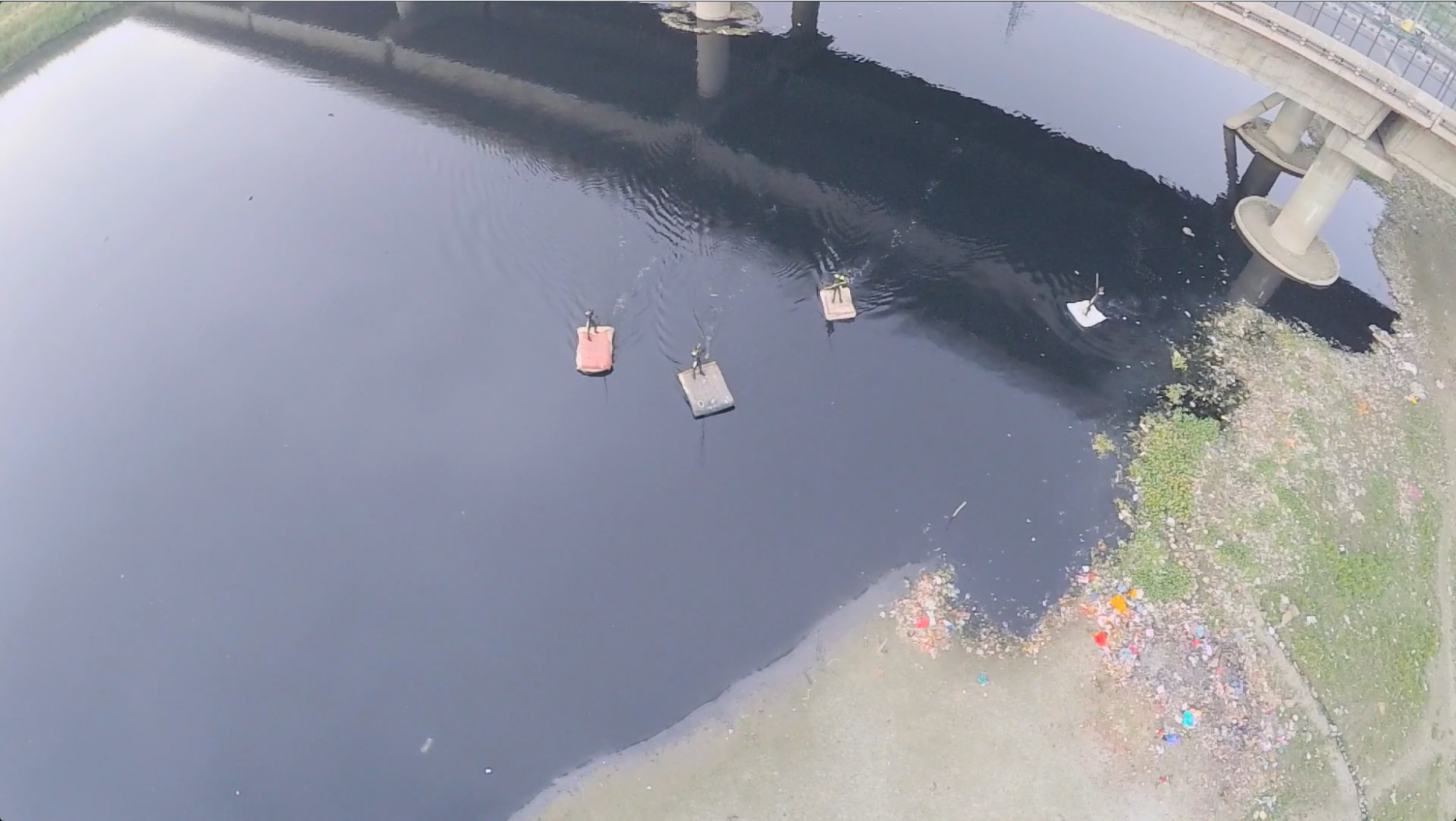
Photo courtesy of Vibha Galhotra
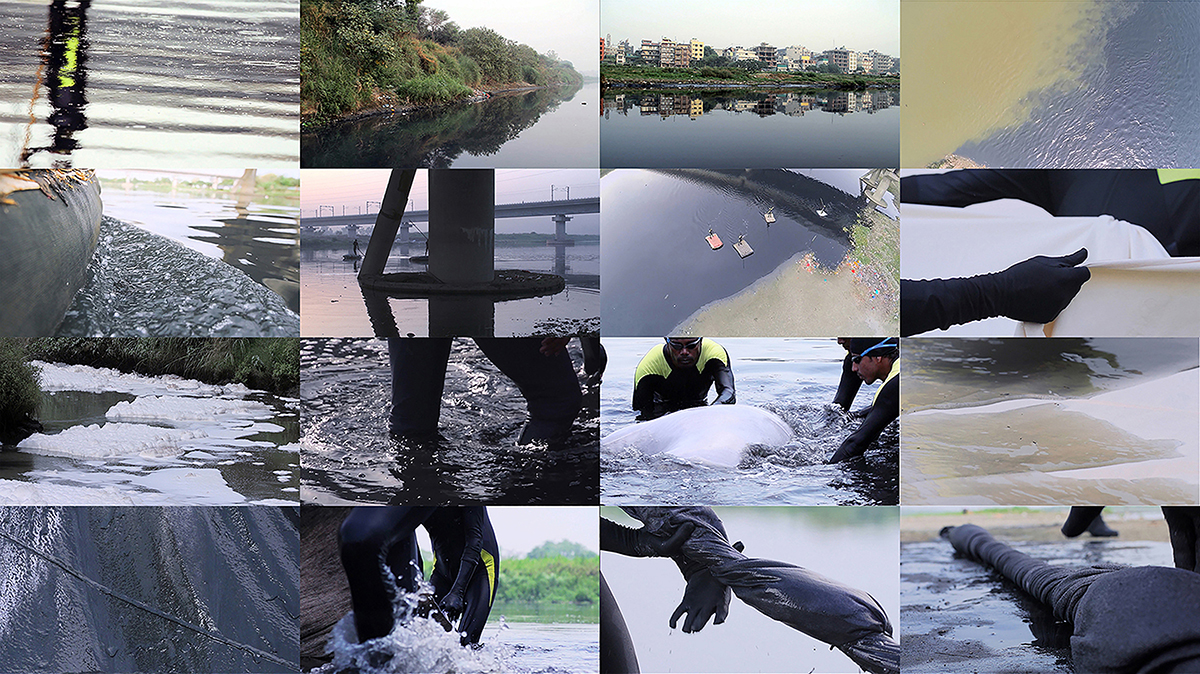
Photo courtesy of Vibha Galhotra
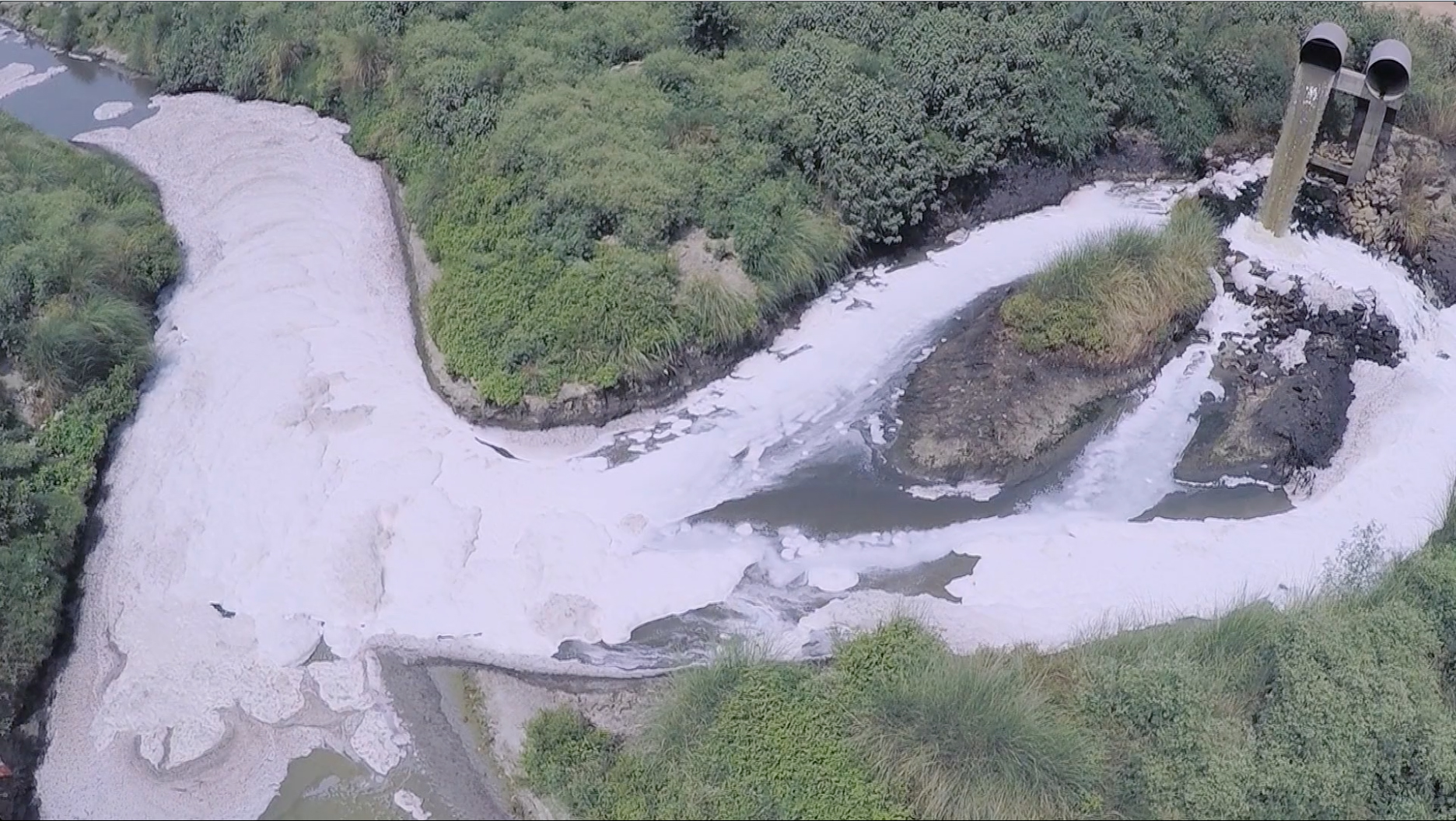
Photo courtesy of Vibha Galhotra
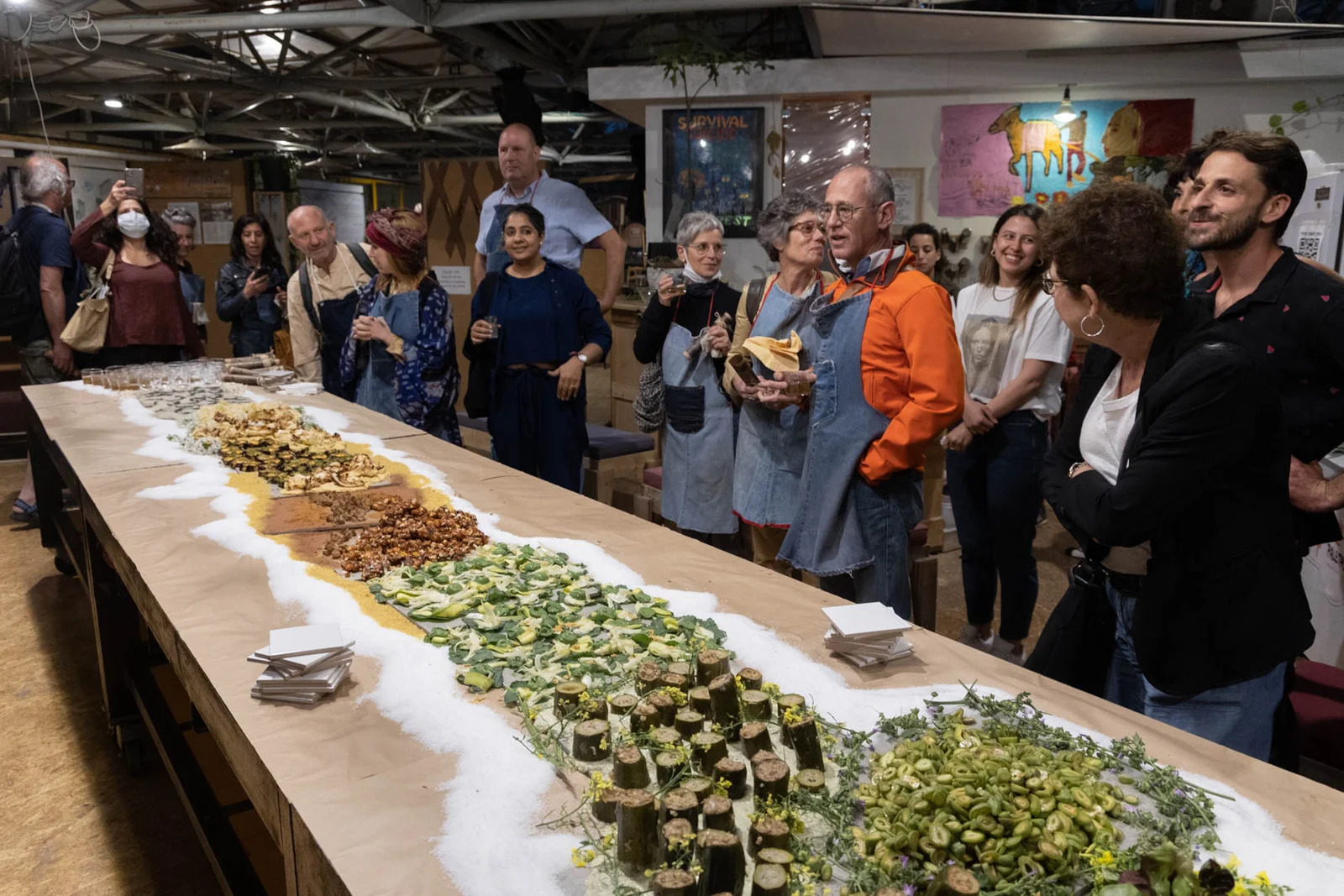
Photo courtesy of Vibha Galhotra
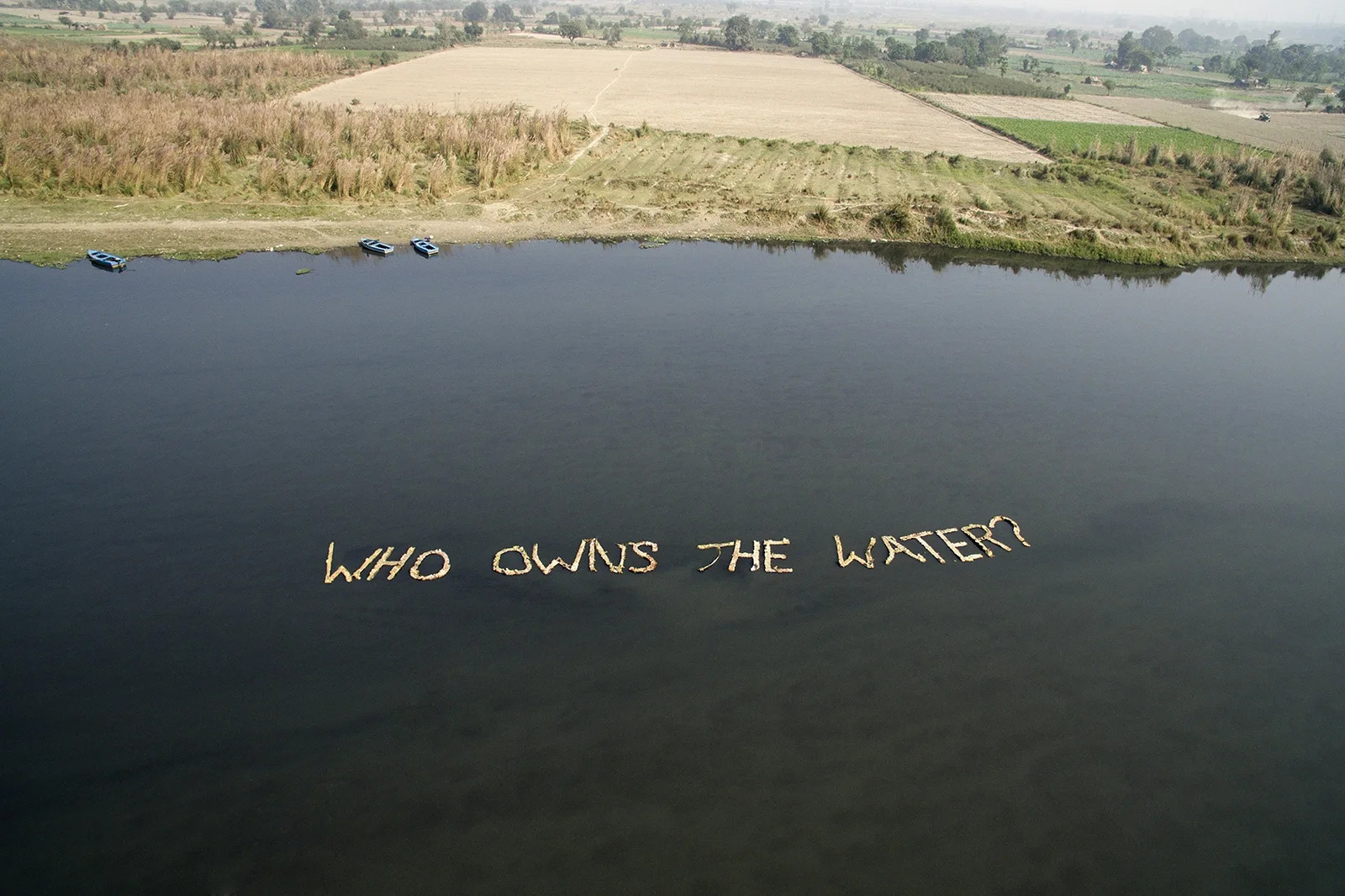
Photo courtesy of Vibha Galhotra
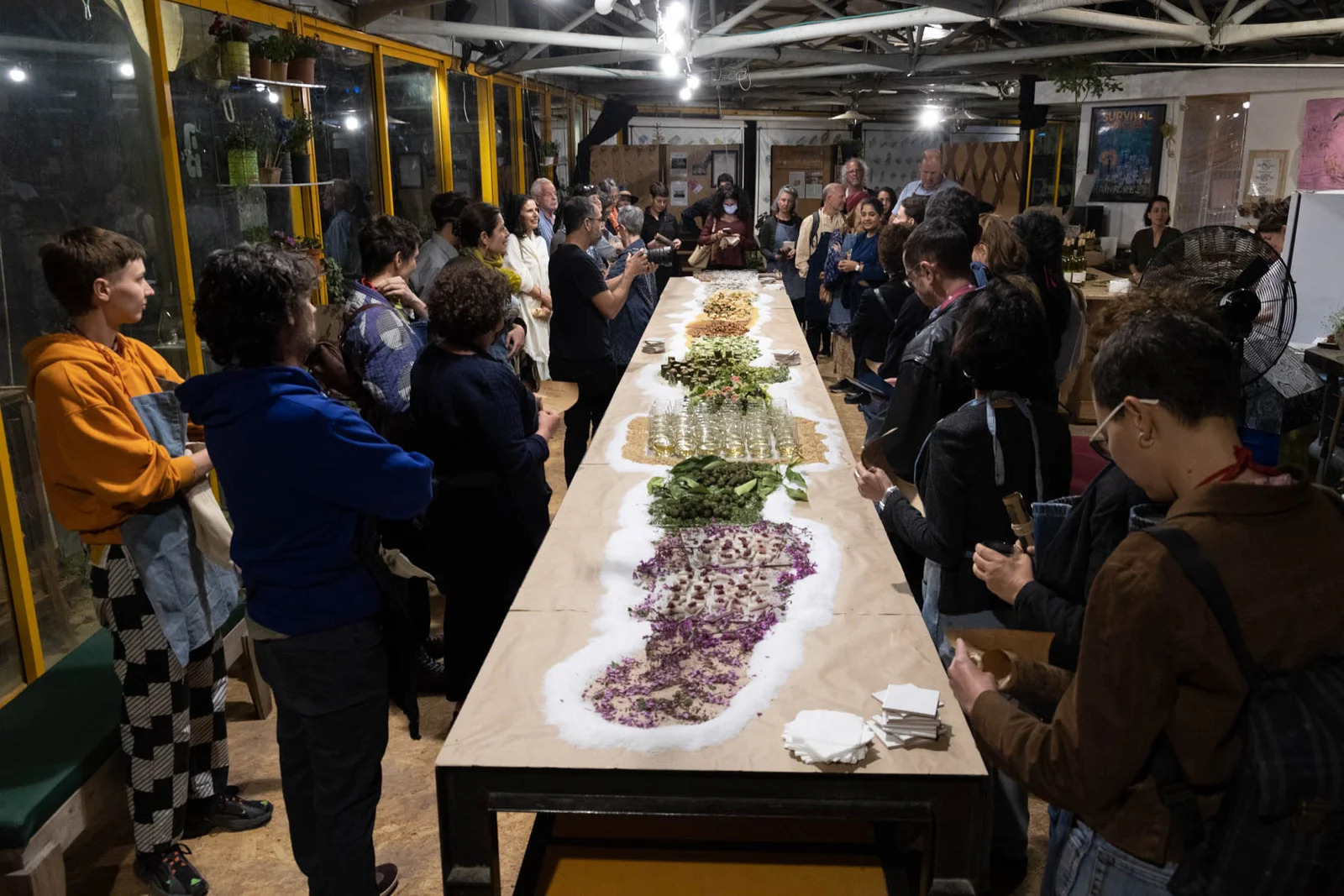
Photo courtesy of Vibha Galhotra
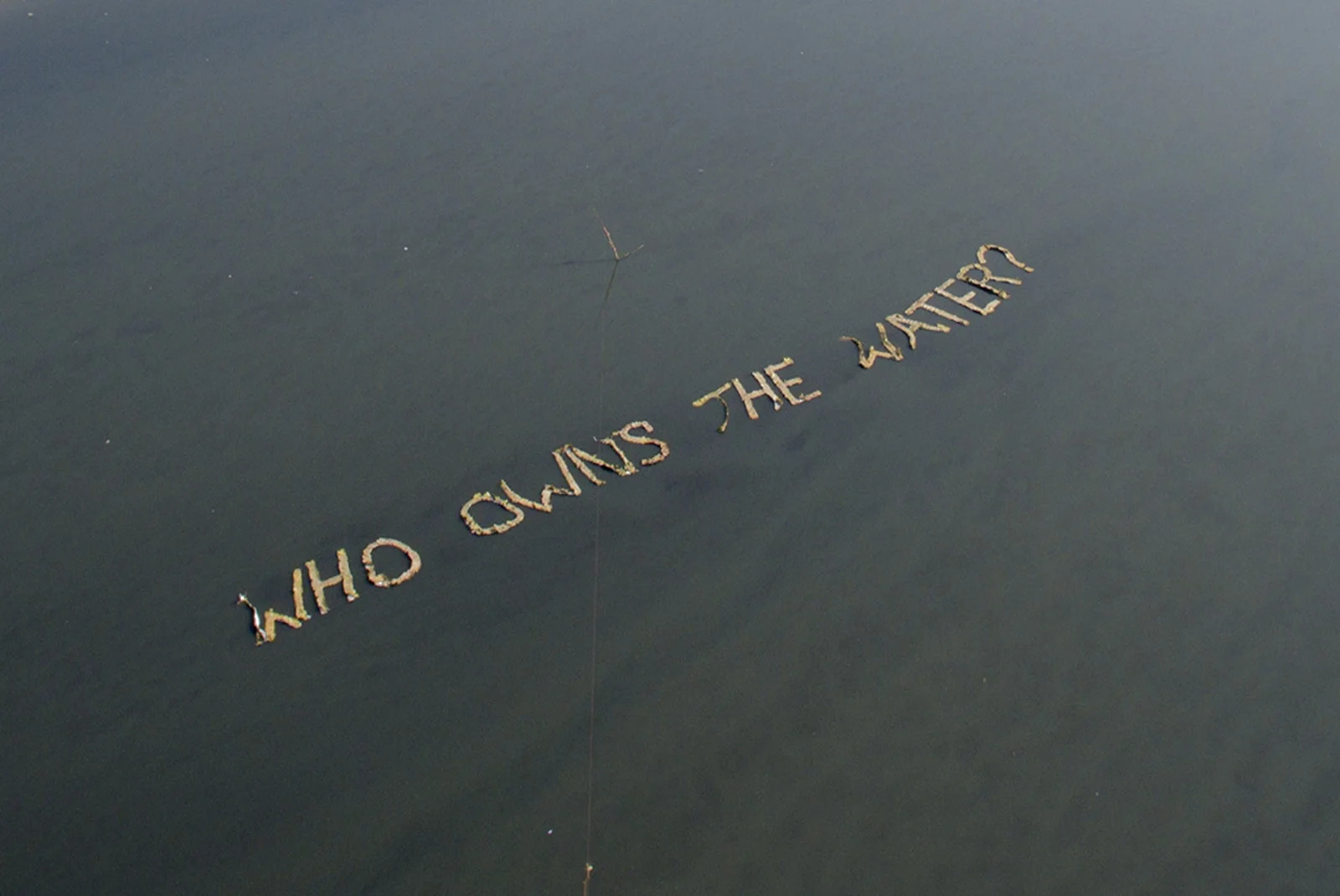
Photo courtesy of Vibha Galhotra
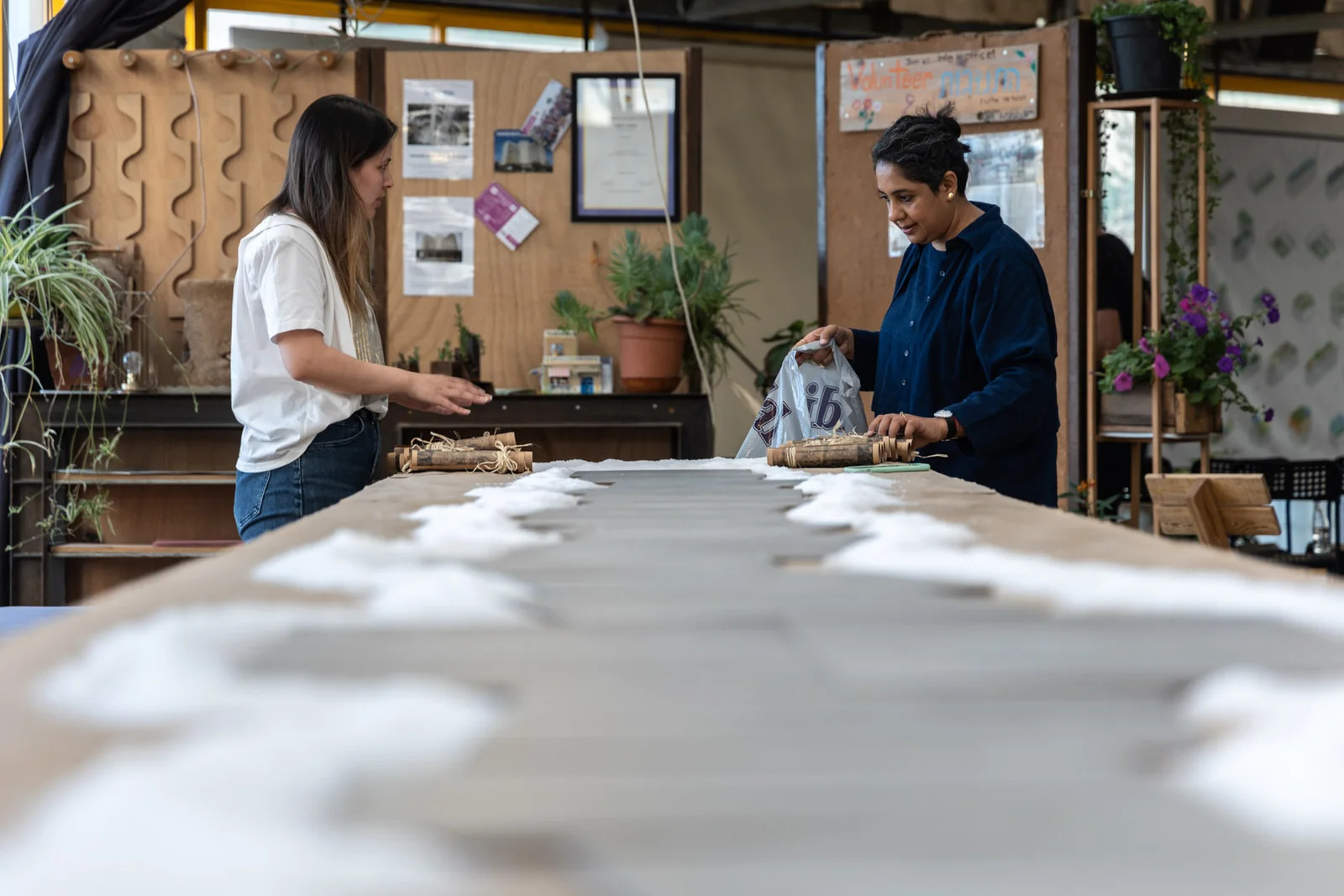
Photo courtesy of Vibha Galhotra
Photo courtesy of Vibha Galhotra
Photo courtesy of Vibha Galhotra
Photo courtesy of Vibha Galhotra
Photo courtesy of Vibha Galhotra
Photo courtesy of Vibha Galhotra
Photo courtesy of Vibha Galhotra
Photo courtesy of Vibha Galhotra
Photo courtesy of Vibha Galhotra